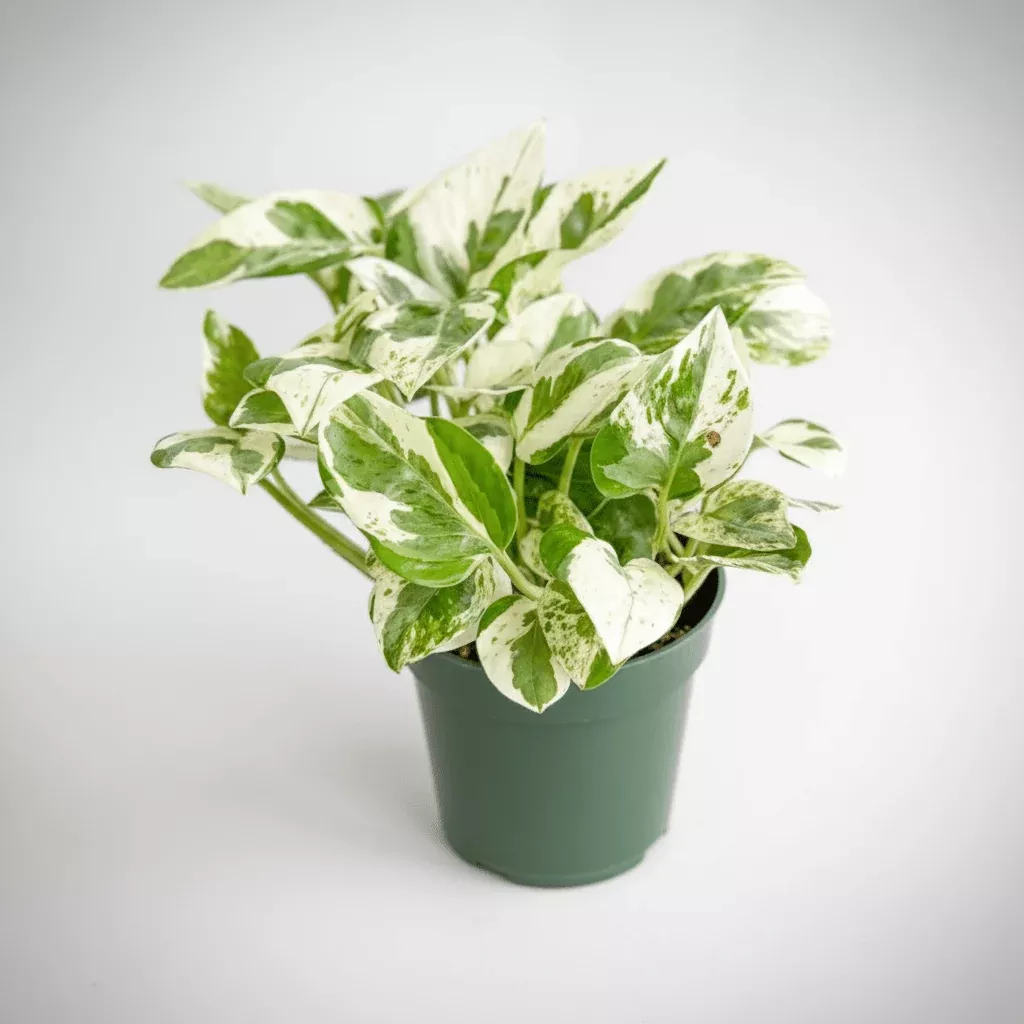
The Peace Lily, scientifically known as Spathiphyllum, is one of the most beloved houseplants, admired for its lush green foliage and stunning white flowers. This elegant plant enhances the aesthetics of any indoor environment with its graceful blooms and rich foliage. It tolerates lower-light conditions, making it a practical choice for homes, offices, and other indoor spaces.
Plant Profile:
Botanical Name:Spathiphyllum
Common Names:Mauna Loa Peace Lily, Peace Lily, Spathe Flower, White Sails
Family:Araceae
Native Range:Tropical regions of the Americas and southeastern Asia
How to Care for Peace Lily
Care Level:Moderate to easy
Light:Prefers bright, filtered light and tolerates lower-light conditions; avoid direct sun. Lower light may reduce flowering.
Humidity:Well-suited for average household humidity levels.
Temperature:Comfortable in a range of 55-85°F.
Pruning:Maintain the plant’s health by pruning as needed to remove brown or dead leaves and control growth.
Feeding:Enhance growth by fertilizing every 6 weeks with a balanced houseplant fertilizer during the spring and summer.
Propagation:Easily propagated through division.
Growth:Upright growth reaching up to 3 feet tall, with some specimens extending to 6 feet.
Pests:Exhibits resilience to common insects and diseases.
Toxicity:Caution should be exercised as the Peace Lily is toxic to both humans and pets.
Fun Fact: A Symbol of Peace and Prosperity
The Peace Lily is often associated with peace, prosperity, and tranquility. In many cultures, it symbolizes harmony and is commonly given as a gift to express good wishes. The plant’s name reflects this sentiment, as “peace” is derived from the plant’s serene appearance and its calming presence in homes and workplaces.
A Brief History of the Peace Lily
The Peace Lily has a fascinating history that traces back to its native regions. Originally from the tropical rainforests of Central and South America, particularly Colombia and Ecuador, Spathiphyllum was first introduced to Europe in the late 19th century. Its popularity grew rapidly due to its unique beauty and graceful white blooms.