Free Shipping on Orders Over $50

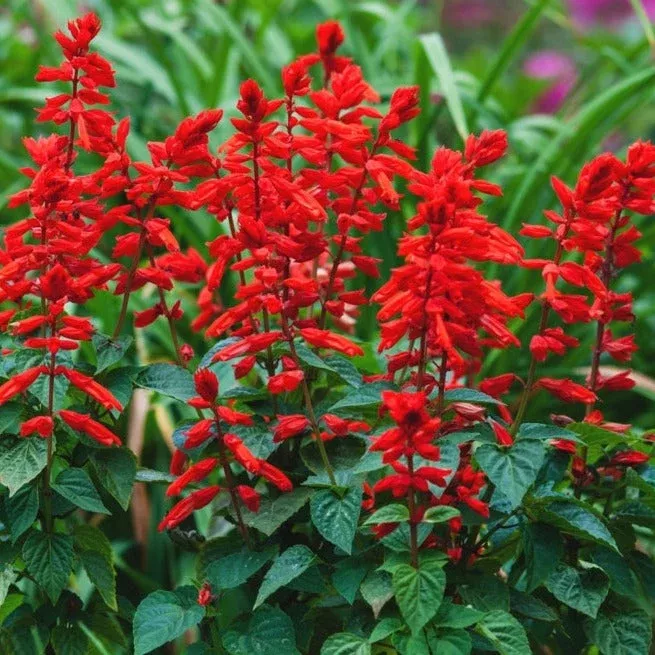
Scarlet Sage Flower seeds
Original price was: $3.19.$1.85Current price is: $1.85.
95 in stock
Discovering Scarlet Sage: A Stunning Ornamental Flower for Your Garden
Unlike its culinary cousin Sage Broadleaf, Scarlet Sage (Salvia coccinea) is grown primarily for its breathtaking flowers rather than its leaves. This vibrant ornamental brings bold color and continuous blooms to garden beds, containers, and borders throughout the growing season. Native to Mexico and the southern United States, Scarlet Sage is a heat-loving plant that thrives in warm climates and rewards gardeners with months of brilliant red, pink, or white tubular flowers.
The Appeal of Scarlet Sage
Scarlet Sage is beloved by gardeners and pollinators alike. The plant produces delicate, nectar-rich flowers that attract hummingbirds and butterflies, making it an excellent choice for wildlife gardens. The flowers bloom from early summer through fall, providing long-lasting color when many other plants are fading. The foliage is soft and attractive, creating a lush backdrop for the showy blooms.
Planting Scarlet Sage
Scarlet Sage performs best in full sun to partial shade, though it flowers most prolifically with at least six hours of direct sunlight daily. Unlike Sage Broadleaf, Scarlet Sage is more tolerant of moisture and prefers soil that is consistently moist but not waterlogged. Space plants 12 to 18 inches apart to allow for air circulation.
Start seeds indoors 6 to 8 weeks before your last frost date, or purchase transplants from a nursery. Plant outdoors after all danger of frost has passed. Scarlet Sage is typically grown as an annual in cooler climates, though it may overwinter in warmer zones.
Care and Maintenance
Water regularly during the growing season, keeping the soil evenly moist. Scarlet Sage benefits from occasional fertilizing—a balanced, slow-release fertilizer applied monthly encourages continuous blooming. Deadhead spent flowers regularly to promote more blooms and extend the flowering season.
Pinch back young plants in early summer to encourage bushier, more compact growth. The plant is generally pest and disease-resistant, making it a low-stress addition to any garden.
Using Scarlet Sage in Your Garden
Scarlet Sage works beautifully in mixed borders, cottage gardens, and pollinator gardens. Its vertical growth habit makes it ideal for adding height and structure to garden beds. It also thrives in containers, making it perfect for patios and balconies. Pair it with complementary plants like dusty miller, blue salvia, or ornamental grasses for stunning color combinations.
Bring the vibrant energy of Scarlet Sage into your garden this season and enjoy months of color and wildlife activity.
In Summary
The Scarlet Sage (Salvia coccinea), also called Blood Sage, Texas Sage, and Indian Fire, is a fast-growing, tender perennial in the mint family. Produces dense 10″ spikes of small, tubular, bright red fragrant blossoms with long stamens. Grows 1′-3′ tall on square stems with hairy, heart-shaped foliage. Can be grown as an annual in colder climates. A striking pop of color in any garden or vase.
The leaves of Scarlet Sage are edible, but the flowers are toxic to people and should not be ingested.
- Life cycle: Herbaceous perennial
- Bloom season: Spring, summer, fall
- Attracts: Hummingbirds, birds, bees, butterflies, and other pollinators
- Flower meaning: Good health, longevity, wisdom
SEED PLANTING TIPS
- Botanical name: Salvia coccinea
- Hardiness zones: 8-10
- Planting season: Spring, fall
- Days to maturity: 65-85 days
- Cold stratify: No
- Depth to plant seeds: Lightly cover – seeds need light to germinate
- Spacing between plants: 6″-12″ apart
- Days to germinate (sprout): 7-21 days
- Germination soil temps: 65F-75F
- Soil types: Sandy, loamy, dry, moist, well-drained
- Soil pH: 5.5-7.5
- Water needs: Average
- Sun needs: Full sun, part shade
- Frost tolerant: No
- Drought tolerant: Yes
- Deer resistant: Yes