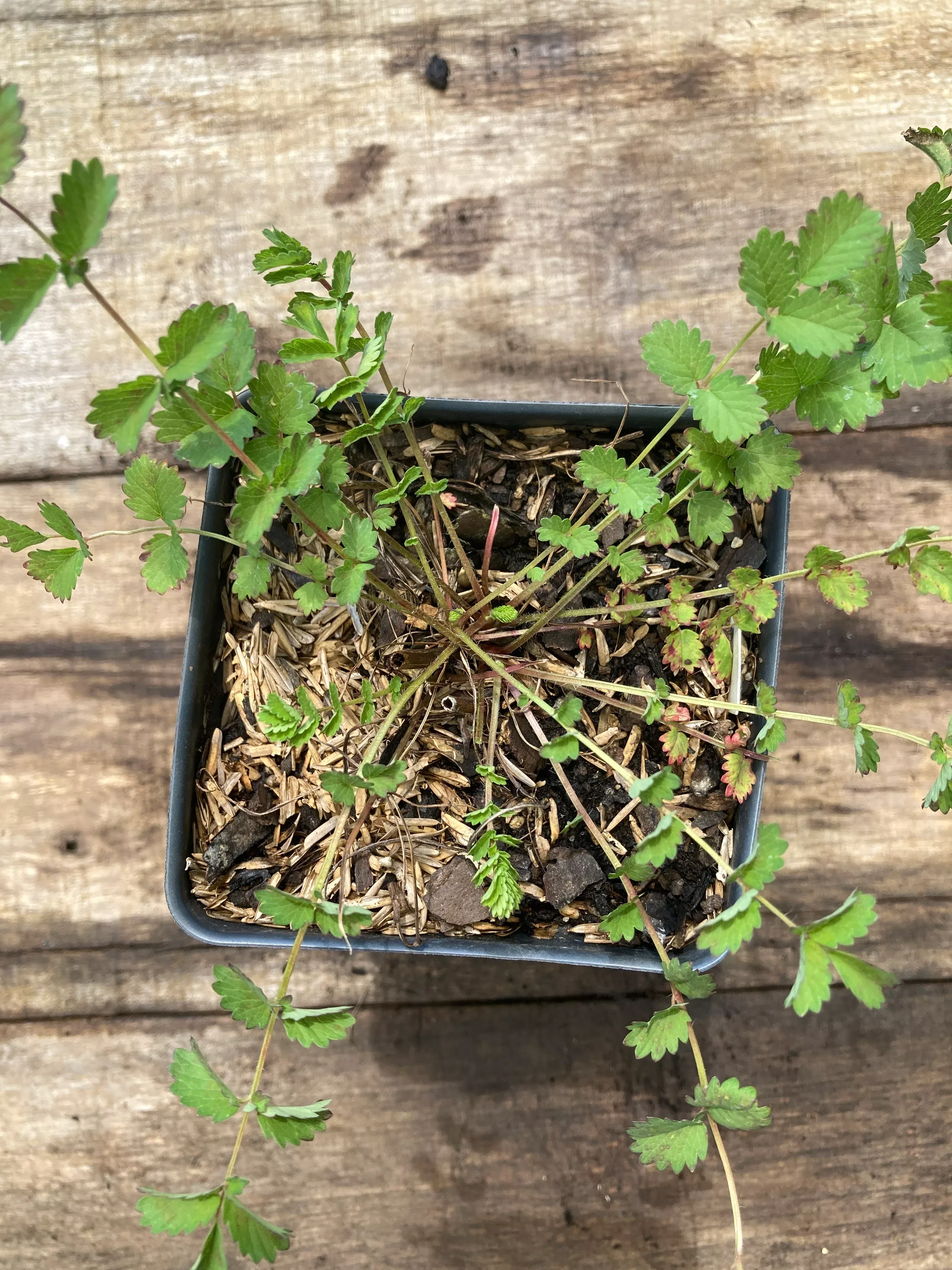
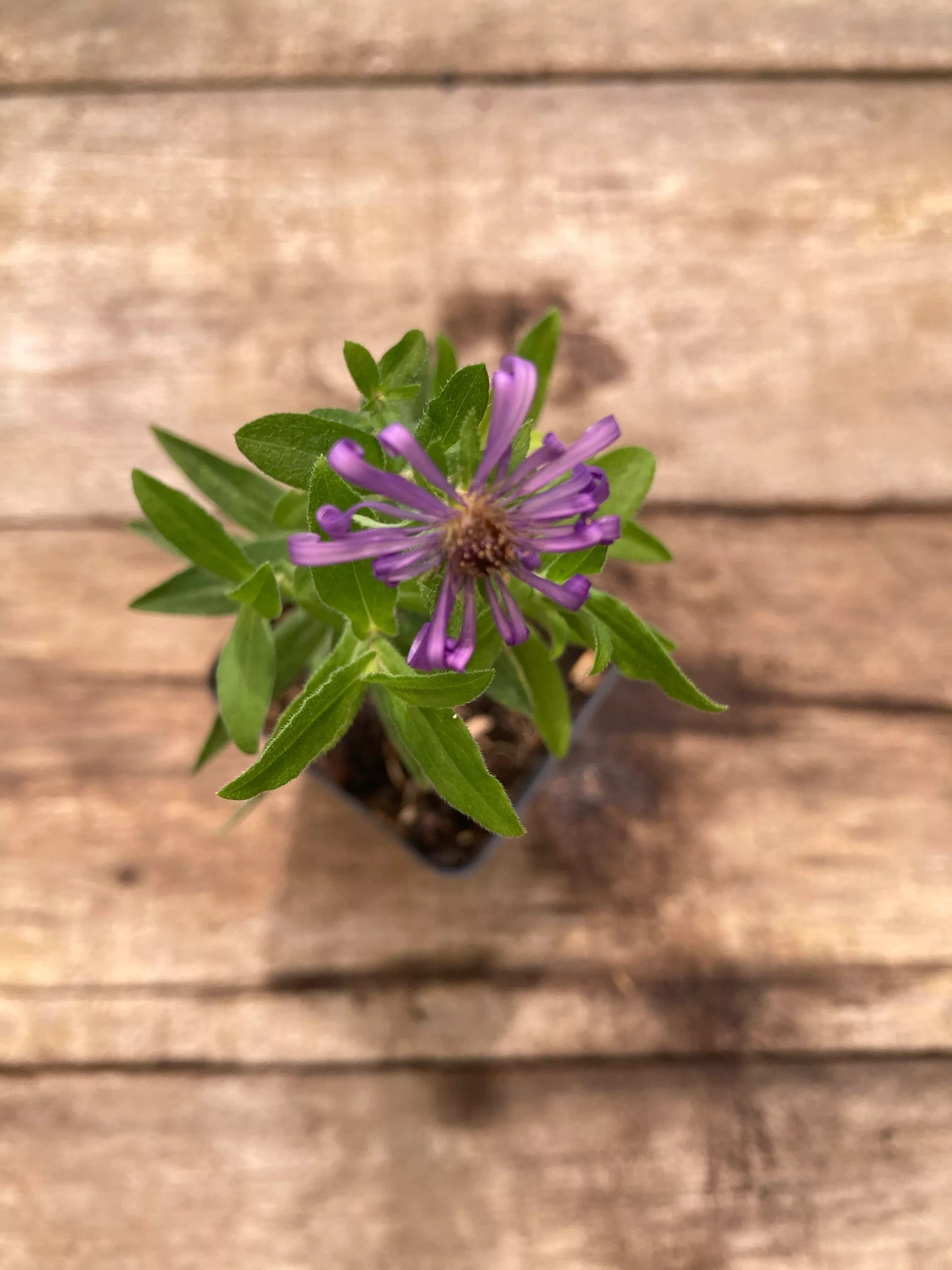
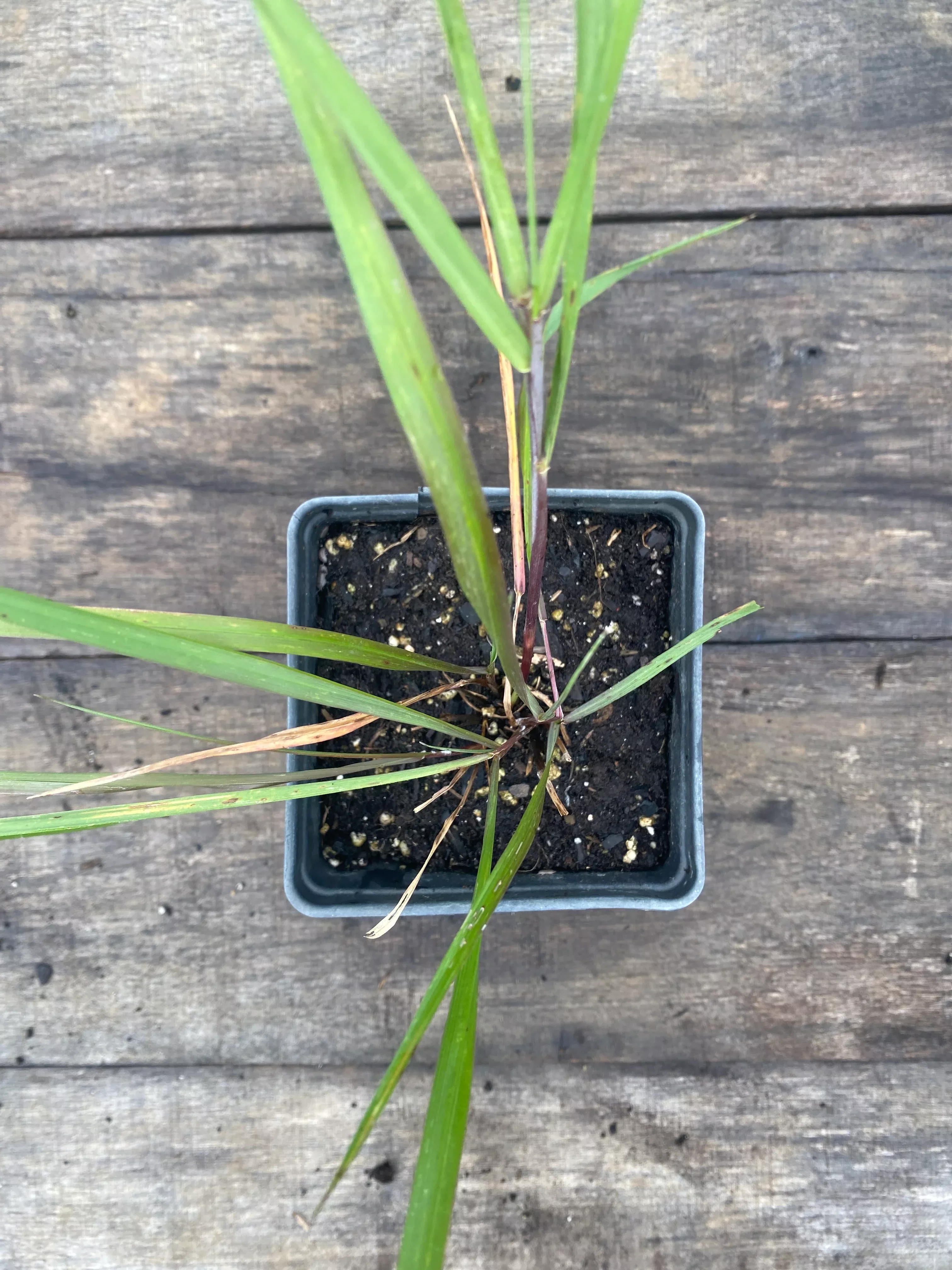
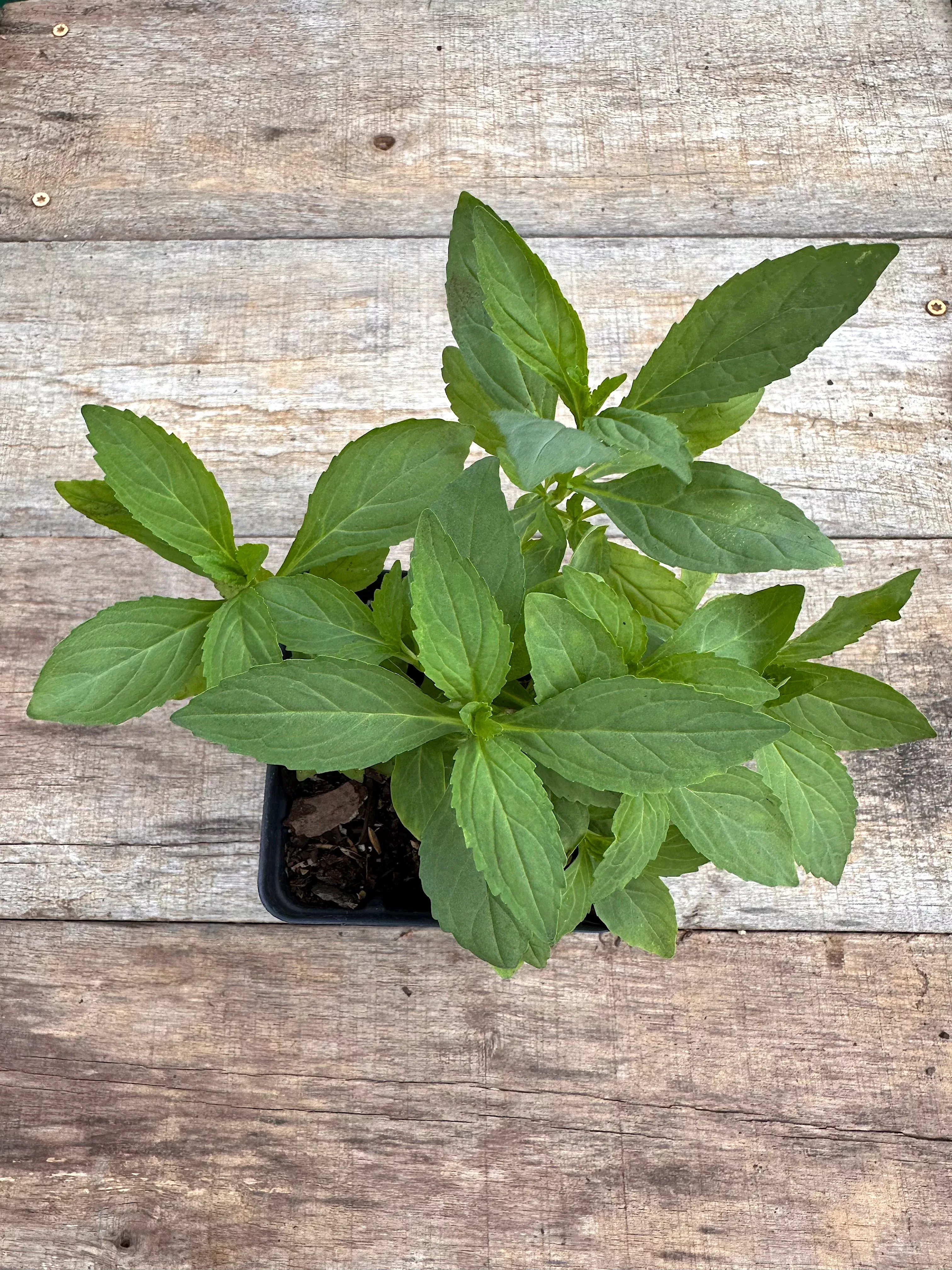
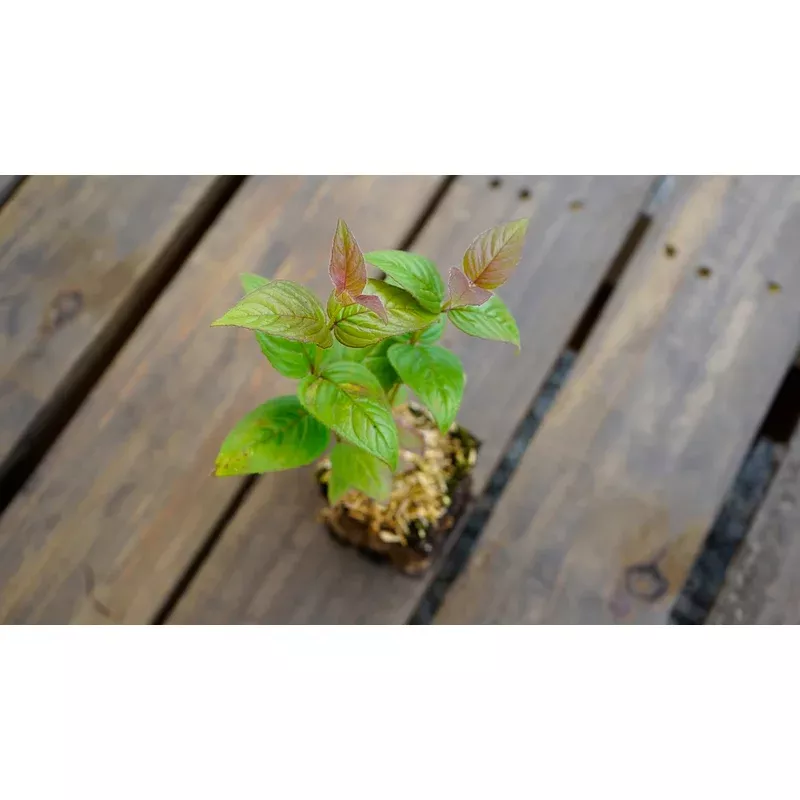
Salad Burnet is a hardy perennial herb grown for its tender, fern-like leaves and distinctive cucumber-like flavor. Native to Europe, western Asia, and North Africa, it has a long history as both a culinary and traditional medicinal herb. Unlike many salad greens that quickly disappear in summer heat, established Salad Burnet can provide repeated harvests over a long season, making it useful in kitchen gardens, perennial herb beds, food forests, and edible landscapes. Its compact evergreen to semi-evergreen rosettes are especially useful as a low herbaceous layer around taller perennial crops.
Key Characteristics
A perennial salad green with fresh cucumber flavor Young leaves have a mild, clean flavor often compared to cucumber with a slightly nutty or herbal finish. Use them fresh in salads, sandwiches, herb butters, soft cheeses, cold soups, sauces, infused water, and egg dishes; cooking diminishes their delicate flavor. Harvest individual young leaves regularly and remove flower stalks if maximum leaf production is the goal.
A useful perennial for food forests and herb gardens Salad Burnet forms a compact basal clump rather than a large competitive canopy, allowing it to occupy the herbaceous layer beneath or around taller edible plants. It is especially useful along sunny food-forest edges, perennial vegetable gardens, orchard borders, and paths where leaves can be harvested frequently. Its deep-rooted, drought-tolerant nature makes it a good match for lower-input perennial systems once established.
Traditional use of an astringent herb The leaves and roots of Sanguisorba minor have histories of traditional herbal use, particularly as astringent preparations. The genus name Sanguisorba reflects the long association of burnets with traditional preparations for bleeding and wounds. Leaves have also been used in herbal infusions, though these historical applications should not be considered substitutes for medical treatment.
Let it flower to add a different resource for insects Flower stalks rise well above the basal foliage and carry unusual rounded flower heads with greenish and reddish tones rather than showy petals. Salad Burnet is largely wind-pollinated, so it should not be treated as a major nectar plant, although insects may visit its flowers. In a production-focused edible planting, removing flower stems redirects growth toward tender foliage; in a naturalized herb garden, allowing some to mature adds structural diversity and seed.
Product Details
Native range: Europe, western Asia, and North Africa
Plant life cycle: Herbaceous perennial; often evergreen to semi-evergreen in mild climates
Sun requirements: Full sun to partial shade
Soil requirements: Dry to medium, well-drained
Mature height: 8–18 inches in foliage; flowering stems approximately 18–24 inches
Bloom time: May–July
Bloom color: Green to greenish-white with reddish-purple accents
USDA Hardiness zones: 4–8
For the best eating quality, grow Salad Burnet in well-drained soil and harvest the youngest leaves frequently. Cut back flowering stems when tender leaf production is the priority, and divide established clumps if they become crowded. Its perennial habit makes it particularly worthwhile near pathways or along the sunny edge of an herb garden, orchard, or food forest where its cucumber-flavored leaves are always within easy reach.