Growing Sage Broadleaf: A Gardener’s Guide to This Versatile Herb
Sage Broadleaf is one of the most rewarding herbs to grow in any garden. With its soft, velvety leaves and subtle earthy flavor, this Mediterranean native has earned a permanent place in kitchens and gardens across the country. Whether you’re an experienced gardener or just starting out, Sage Broadleaf is forgiving, productive, and incredibly useful.
Why Choose Sage Broadleaf?
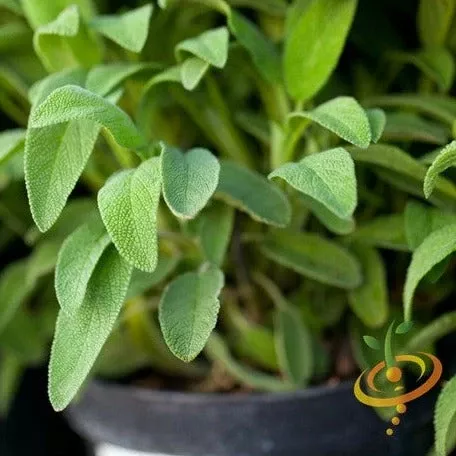
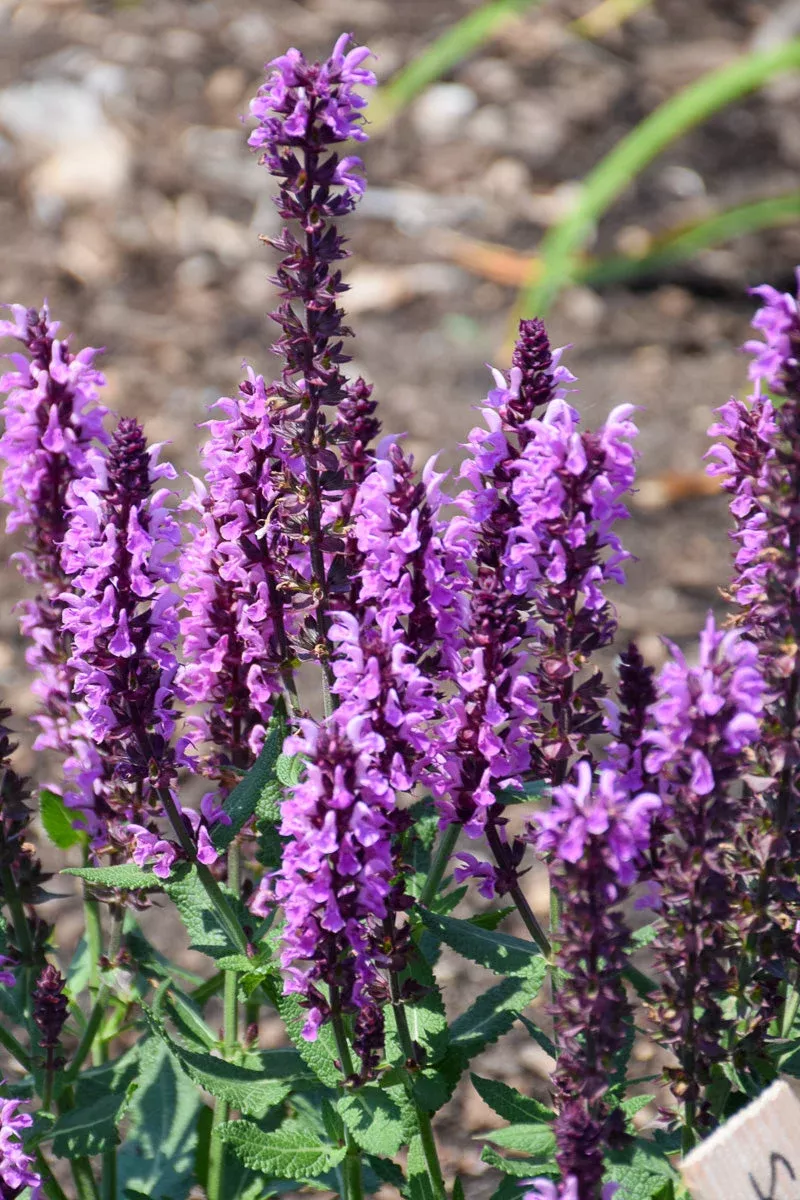
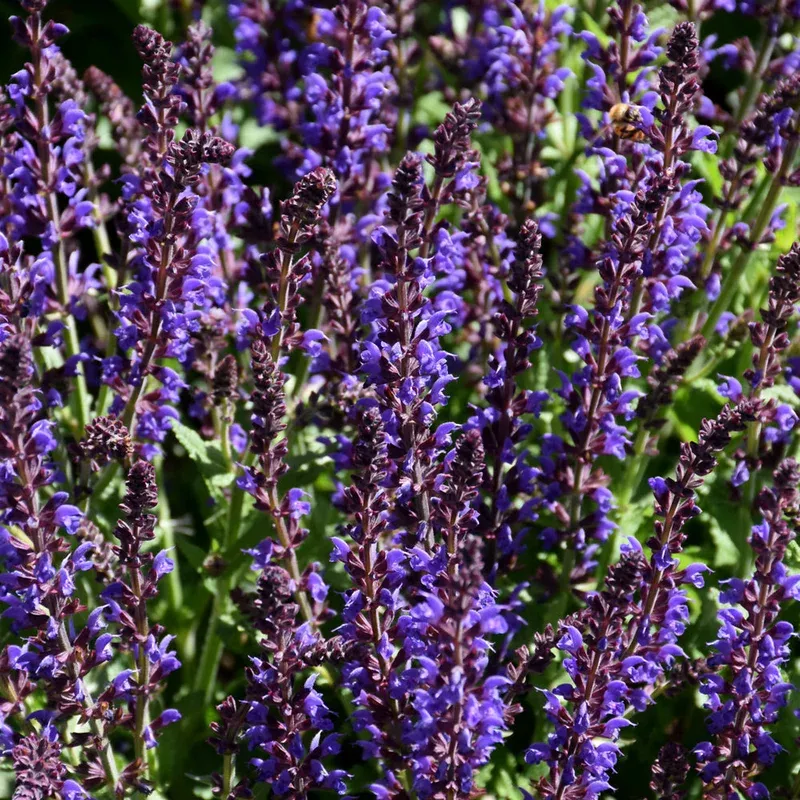
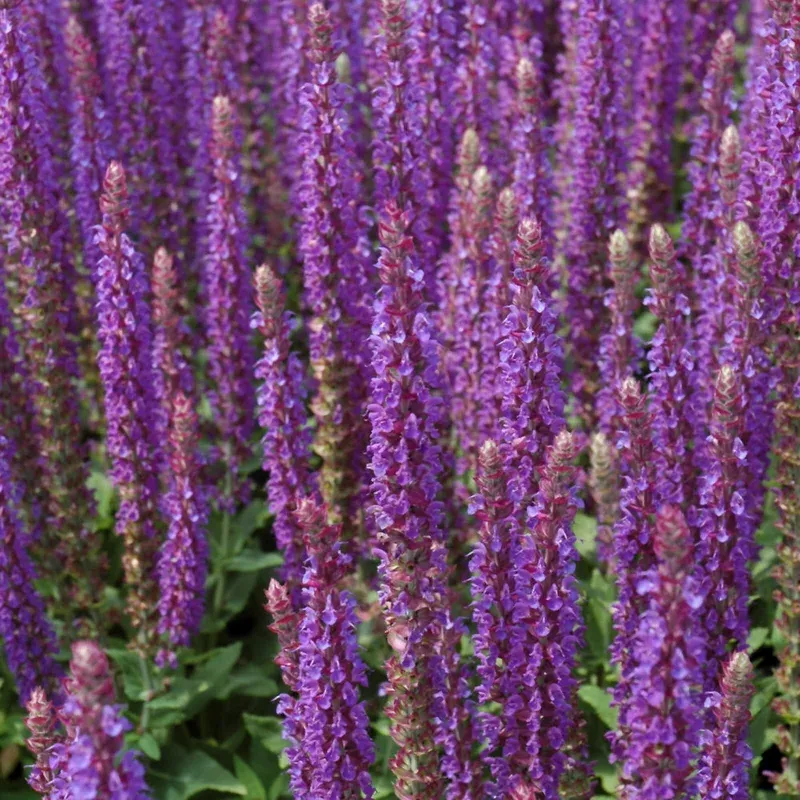
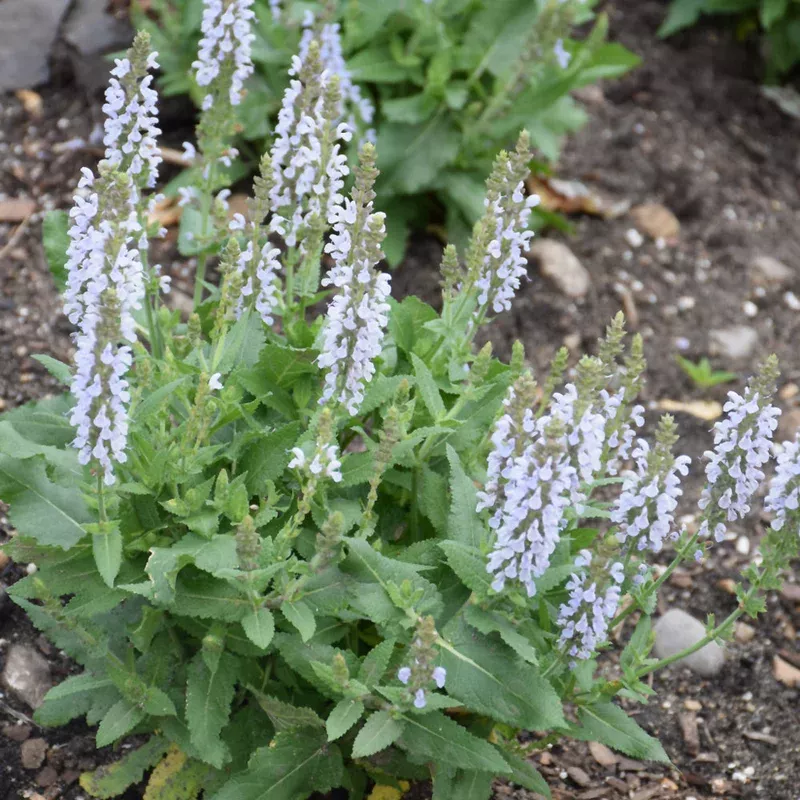
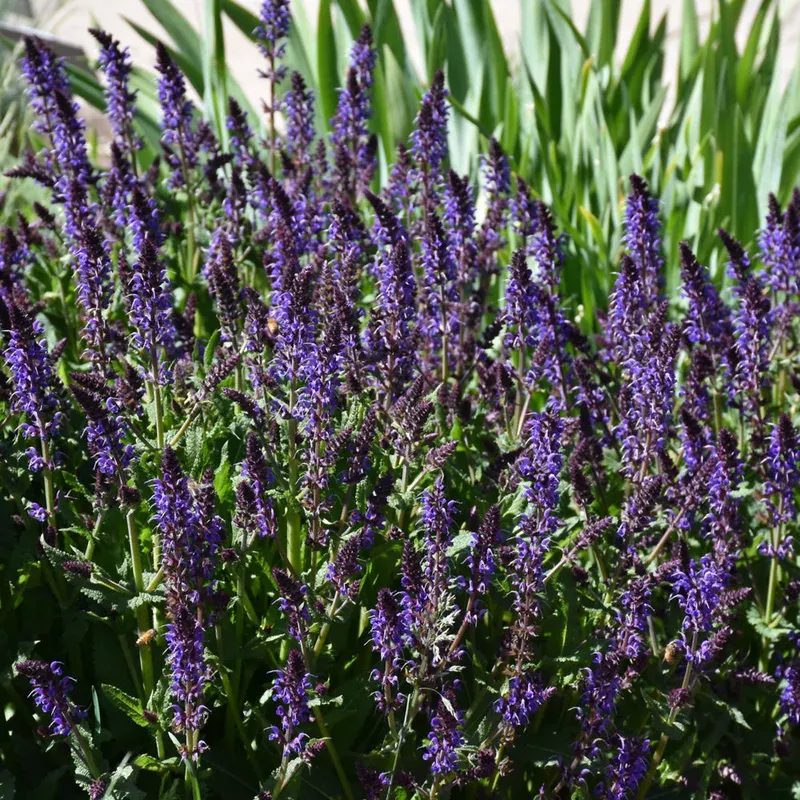
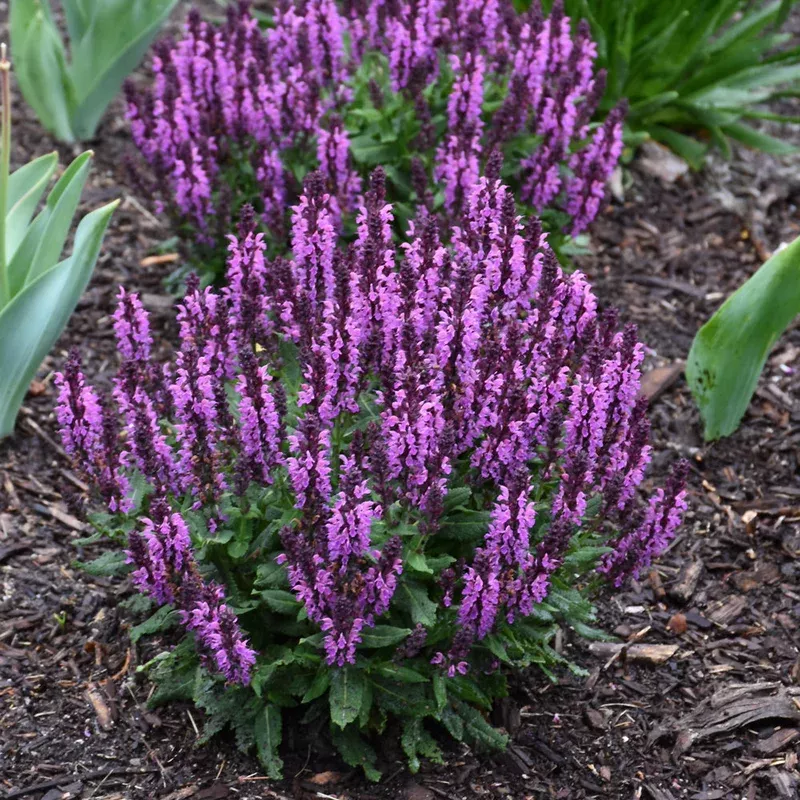
This variety stands out for its larger leaves compared to other sage species, making harvesting easier and more satisfying. The leaves are perfect for culinary use—ideal for seasoning poultry, stuffing, soups, and herbal teas. Beyond the kitchen, Sage Broadleaf attracts pollinators and adds visual interest to garden beds with its attractive gray-green foliage and delicate purple or pink flowers.
Planting Your Sage Broadleaf
Sage Broadleaf thrives in full sun and well-draining soil. Choose a location that receives at least six hours of direct sunlight daily. When planting, space seedlings about 18 to 24 inches apart to allow room for mature growth. If your soil tends to retain moisture, amend it with sand or perlite to improve drainage—sage prefers drier conditions and is susceptible to root rot in soggy soil.
Plant in spring after the last frost, or start seeds indoors 6 to 8 weeks before your last frost date. Sage seeds can be slow to germinate, so patience is key.
Caring for Your Plants
Once established, Sage Broadleaf is remarkably low-maintenance. Water moderately during the growing season, allowing the soil to dry between waterings. Once the plant is mature, it becomes quite drought-tolerant. Fertilizing is rarely necessary—in fact, overly rich soil can reduce the intensity of flavor in the leaves.
Prune regularly to encourage bushier growth and prevent the plant from becoming woody. Pinch back the top growth in early summer, and don’t hesitate to harvest leaves throughout the season. The more you pick, the more the plant produces.
Harvesting and Using Your Sage
Begin harvesting leaves once the plant is established, typically a few months after planting. Pick leaves in the morning after the dew has dried for the best flavor. You can use fresh leaves immediately or dry them for later use. To dry, hang small bundles in a warm, well-ventilated space away from direct sunlight.
Fresh Sage Broadleaf leaves are wonderful in butter for pasta, rubbed on roasted vegetables, or steeped into tea. Dried sage stores well and maintains its flavor for months.
Overwintering and Year-Round Growth
In most climates, Sage Broadleaf is perennial and will return year after year. In colder regions, provide mulch around the base in fall to protect the roots. Even in harsh winters, the plant often survives and regrows from the base come spring. In mild climates, you can harvest leaves year-round.
Growing Sage Broadleaf is a simple way to add fresh, flavorful herbs to your kitchen while enjoying the beauty of a thriving garden plant. Start your seeds today and enjoy the rewards of this classic herb for years to come.
In Summary
Sage is an aromatic perennial plant that is actually part of the mint family. The plant produces grayish-green leaves that are used in many popular food dishes, most notably in the preparation of sausages
– Natural mosquito repellent
– The leaves can also be used as a digestive and nerve tonic
– Excellent as a border plant around the garden
– Grows well in containers
– Easy to grow from seed and can be sowed directly in the garden