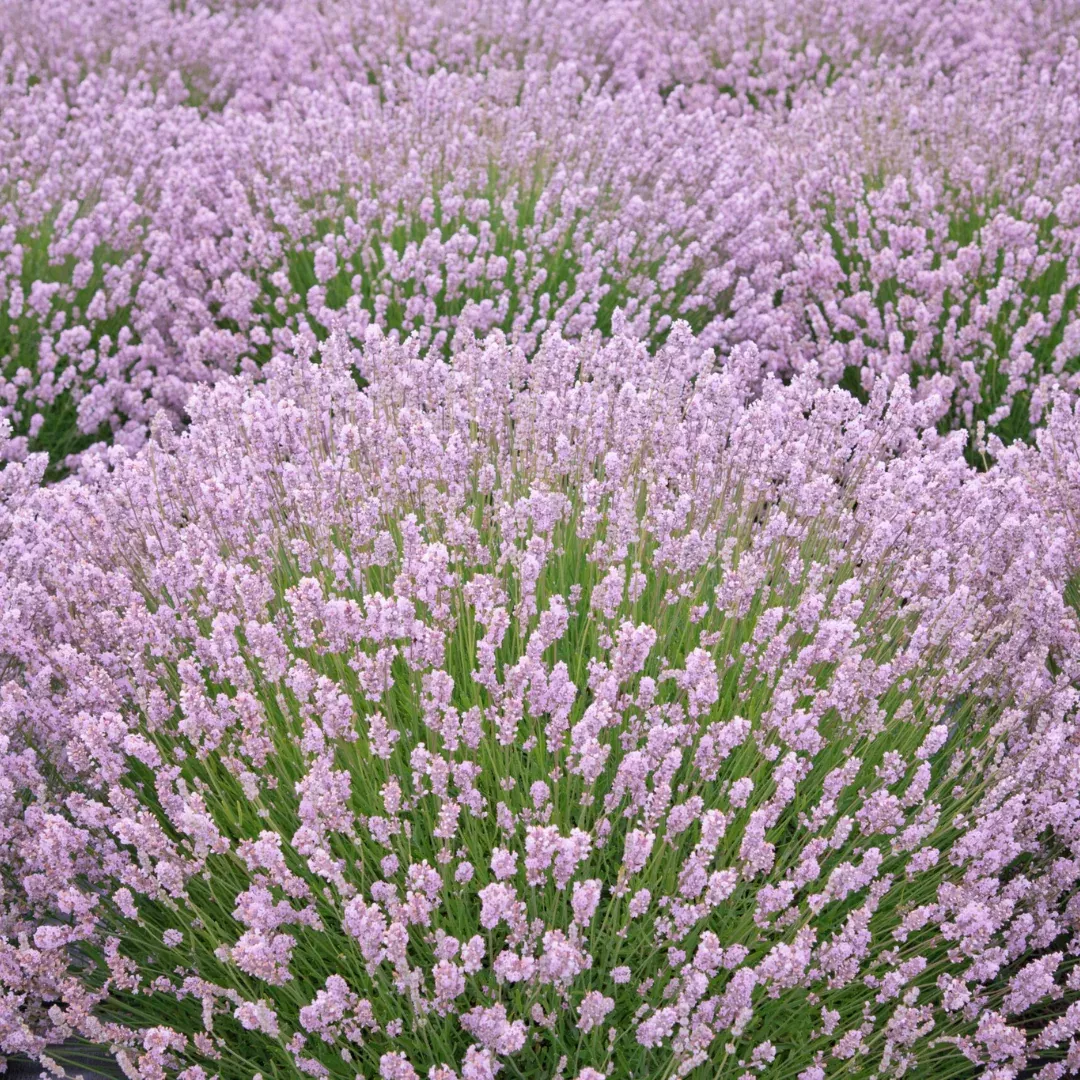
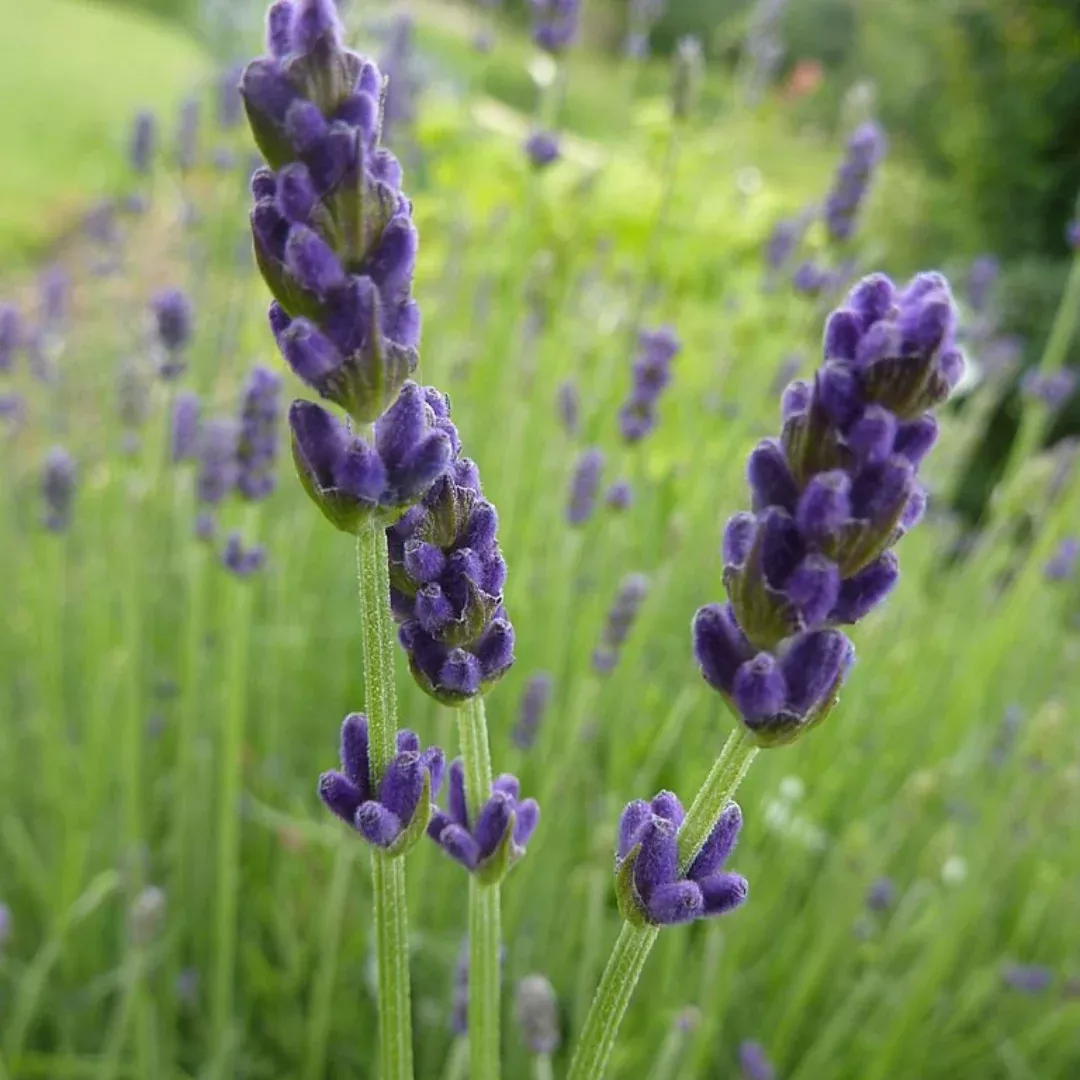
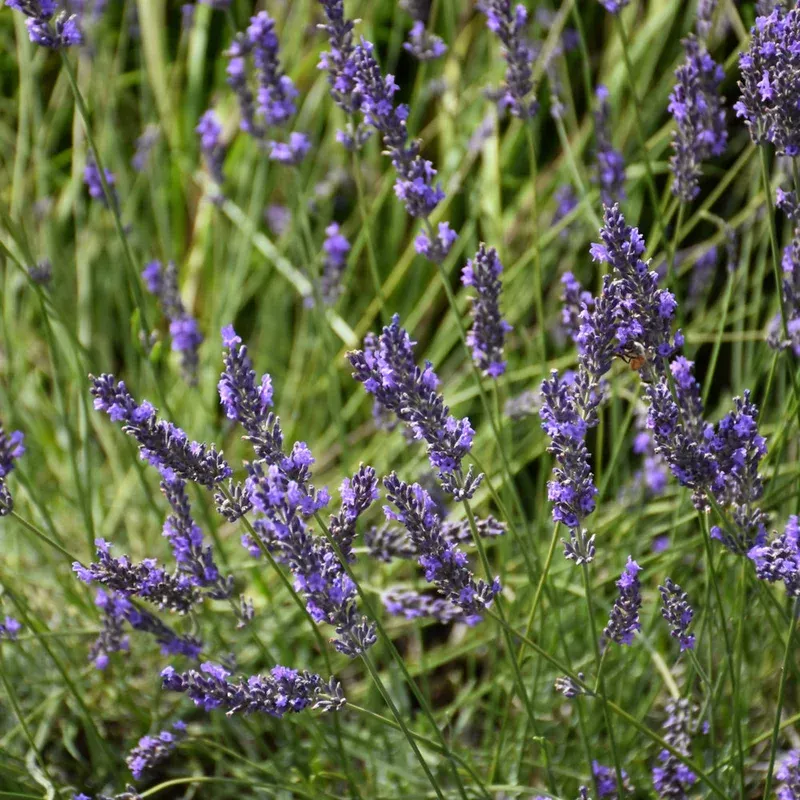
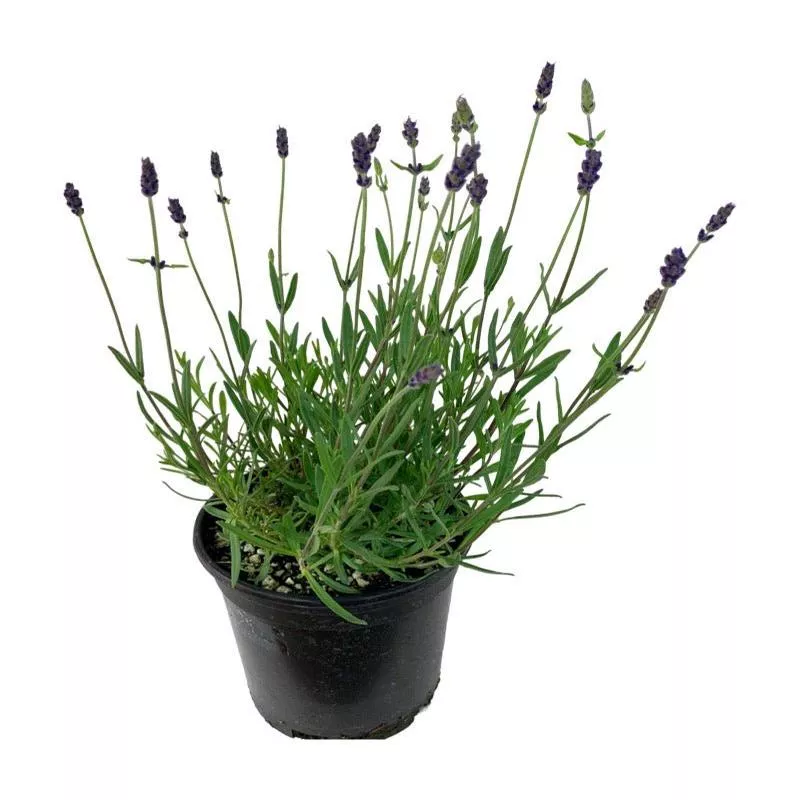
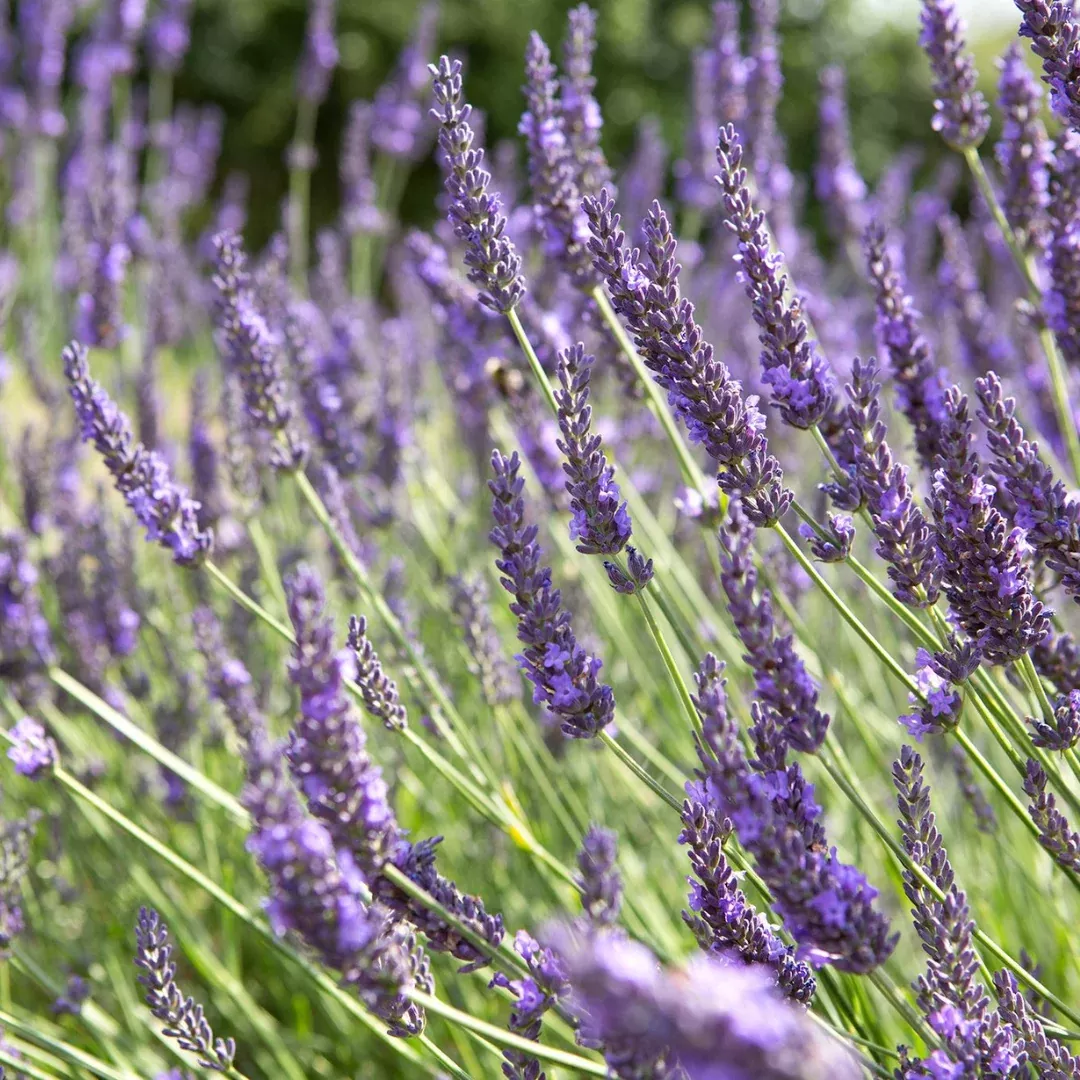
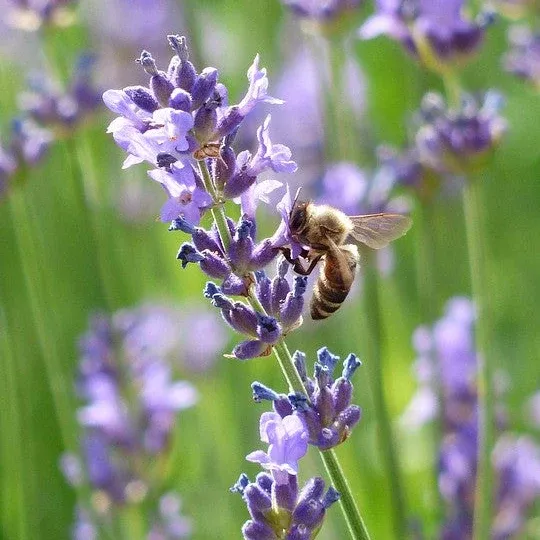
English lavender is one of the most beloved herbs for gardeners and plant enthusiasts alike. Known for its stunning purple blooms, intoxicating fragrance, and remarkable hardiness, this Mediterranean native has earned its place in gardens across North America. Whether you’re a seasoned gardener or just starting out, growing English lavender is surprisingly straightforward.
Why Choose English Lavender?
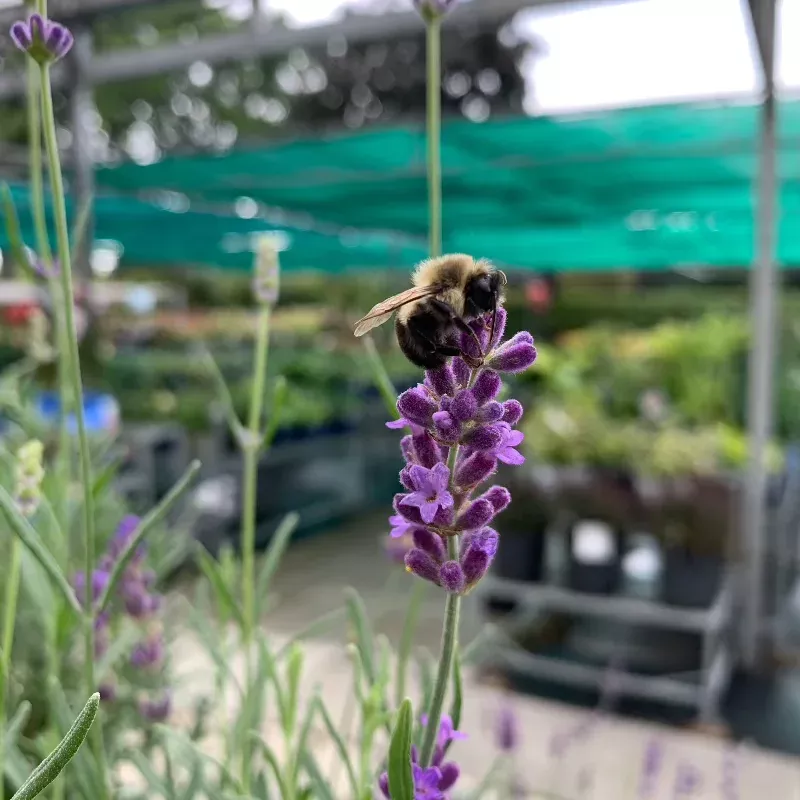
English lavender varieties are prized for their cold tolerance compared to other lavender species. They thrive in cooler climates and can survive harsh winters, making them ideal for gardeners in northern regions. Beyond their beauty, these plants attract pollinators like bees and butterflies, support beneficial insects, and provide fresh or dried flowers for arrangements, sachets, and culinary uses.
Planting Conditions
Lavender thrives in full sun, so choose a location that receives at least six to eight hours of direct sunlight daily. The plant prefers well-draining soil and actually performs better in lean, sandy, or gravelly conditions rather than rich, heavily amended soil. If your garden has heavy clay, amend it with sand or perlite to improve drainage. Poor drainage is the most common reason lavender plants struggle, so this step is essential.
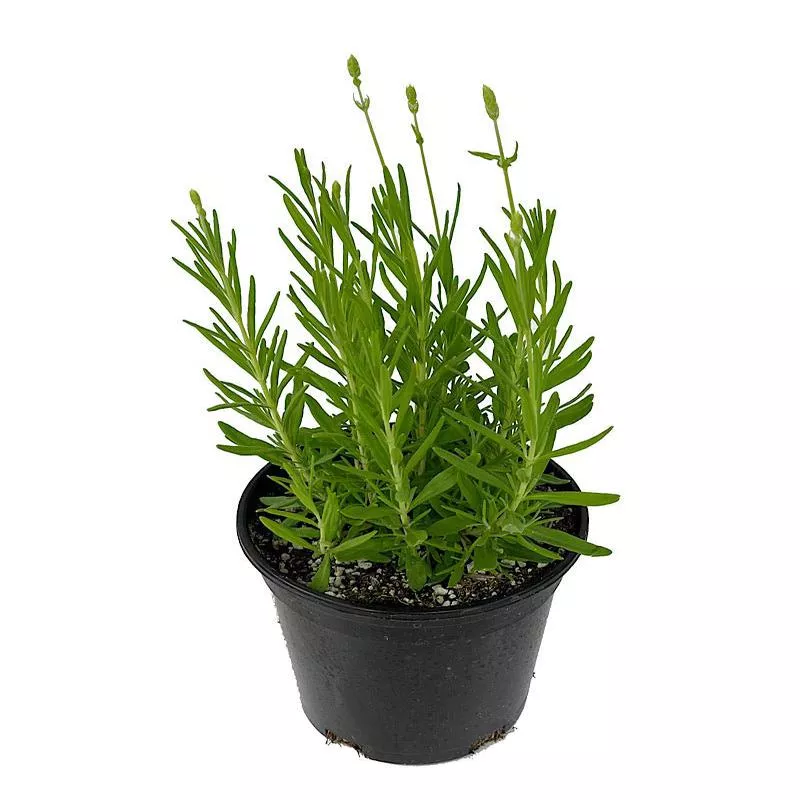
Plant English lavender in spring after the last frost, spacing plants about 12 to 18 inches apart. Water thoroughly after planting, but once established, lavender is quite drought-tolerant and requires minimal watering.
Care and Maintenance
One of the best things about English lavender is how little maintenance it needs. Water sparingly once the plant is established—only during extended dry periods. Avoid overwatering, as this can lead to root rot. Fertilizer is rarely necessary; in fact, too much nitrogen can reduce flowering and fragrance.
Prune your lavender in early spring to encourage bushier growth and more blooms. Cut back about one-third of the plant’s height, removing any dead or woody growth. A light deadheading throughout the growing season will keep plants looking tidy and encourage continuous flowering.
Harvesting and Using Your Lavender
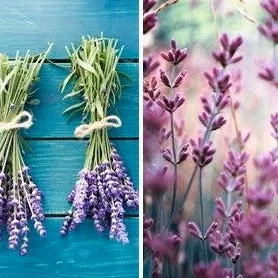
Harvest lavender flowers in mid to late summer when they’re fully open but before they begin to fade. Cut stems in the morning after the dew dries for the best fragrance. Hang bundles upside down in a warm, dry, well-ventilated space to dry. Dried lavender retains its scent for months and can be used in sachets, potpourri, tea, or simply enjoyed as a beautiful dried arrangement.
Common Challenges
English lavender is generally pest and disease-resistant, but watch for spider mites in hot, dry conditions. Root rot from poor drainage is the primary concern, so always ensure your soil drains well. If plants become leggy or overgrown, don’t hesitate to prune them back hard in spring—they’ll bounce back quickly.
With the right conditions and minimal care, English lavender will reward you with years of fragrant blooms and effortless beauty in your garden.
Follow SeedsNow.com’s board Lavendar on Pinterest.