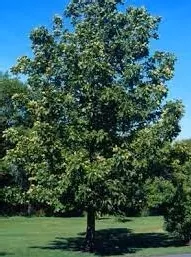
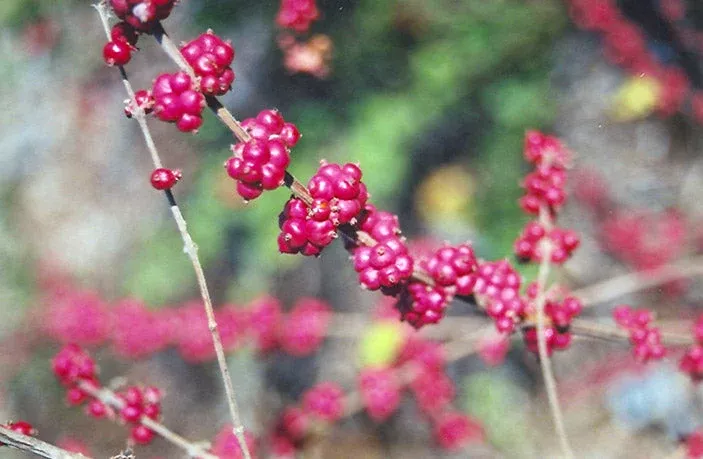
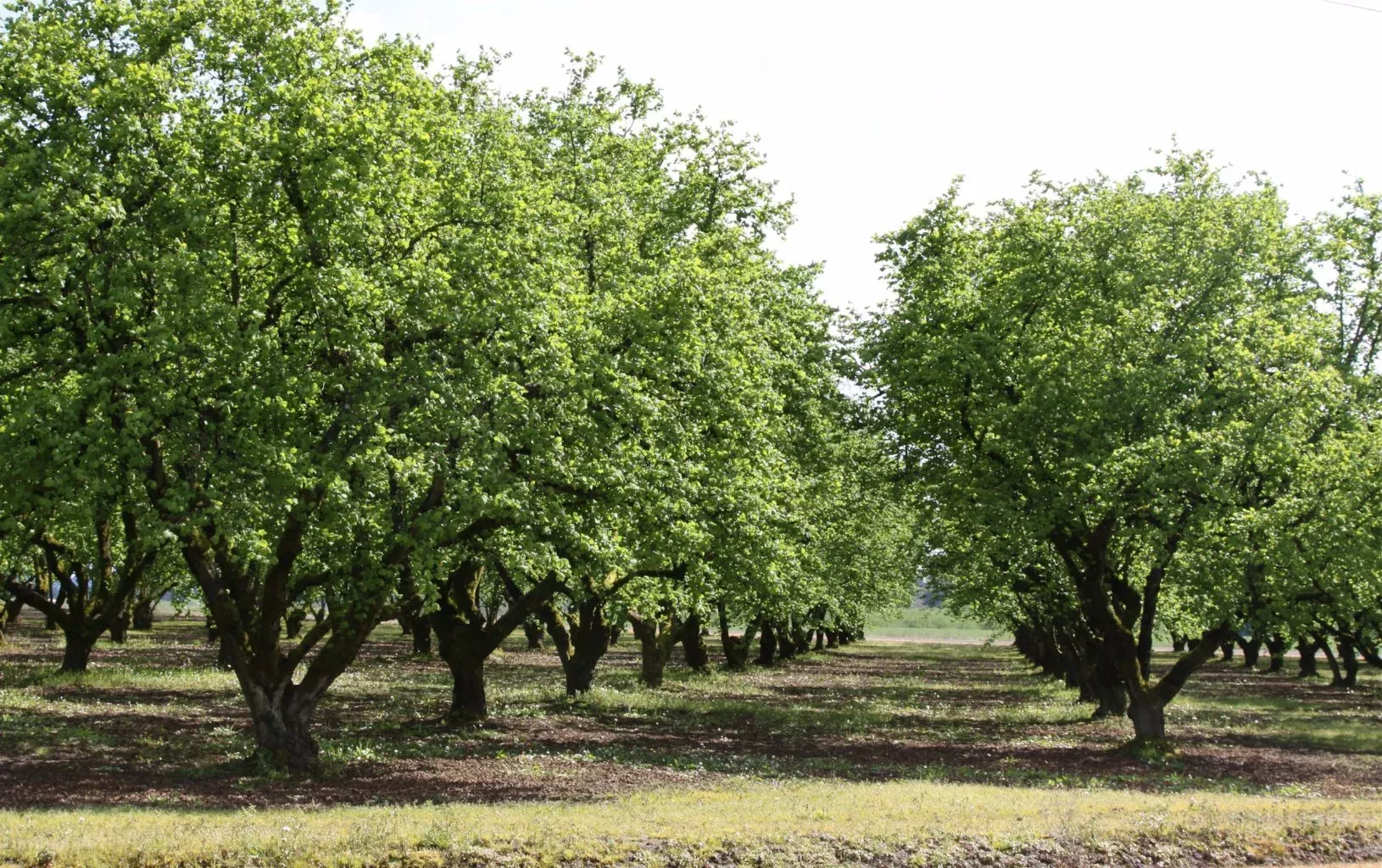
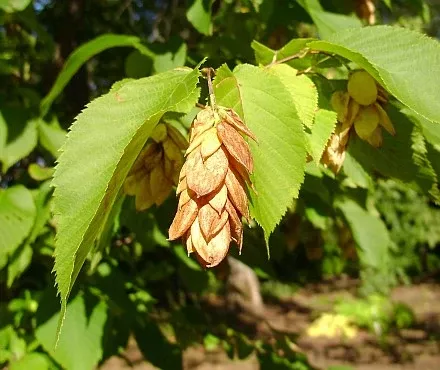
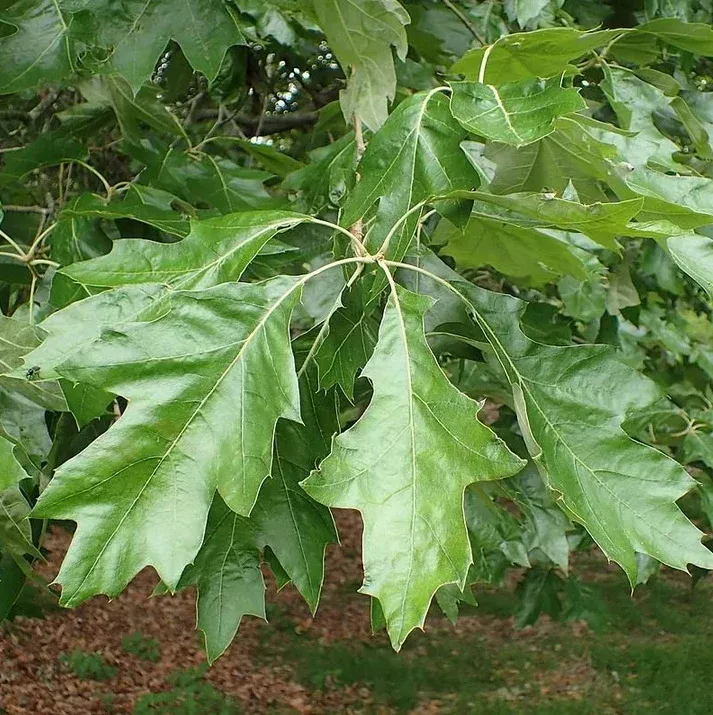
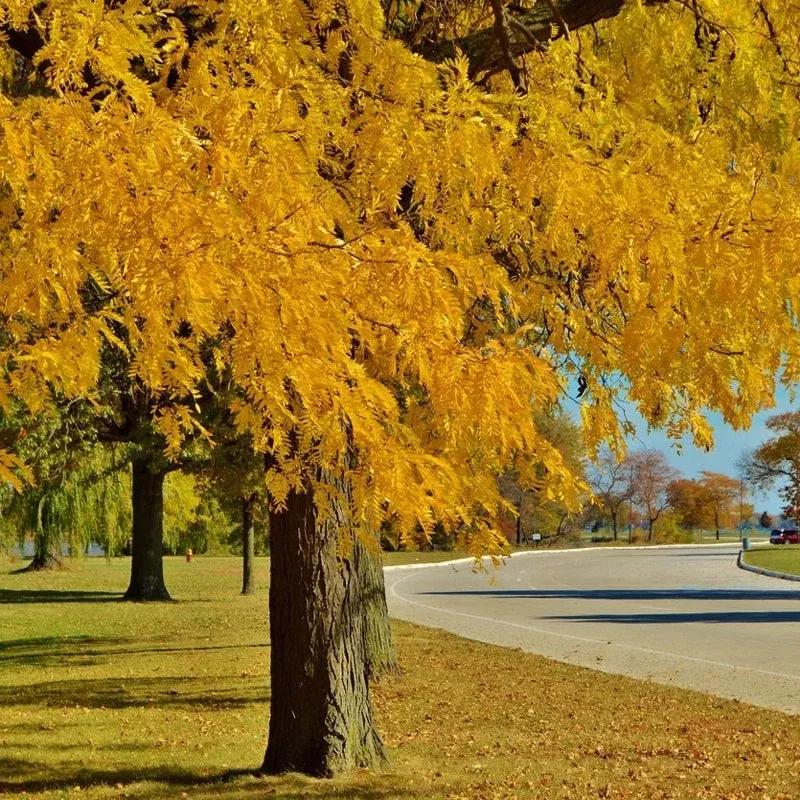
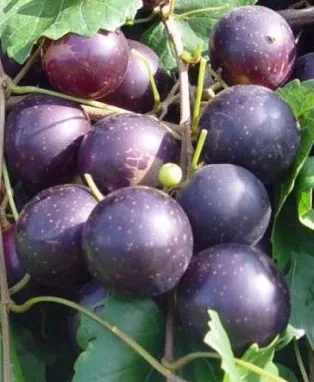
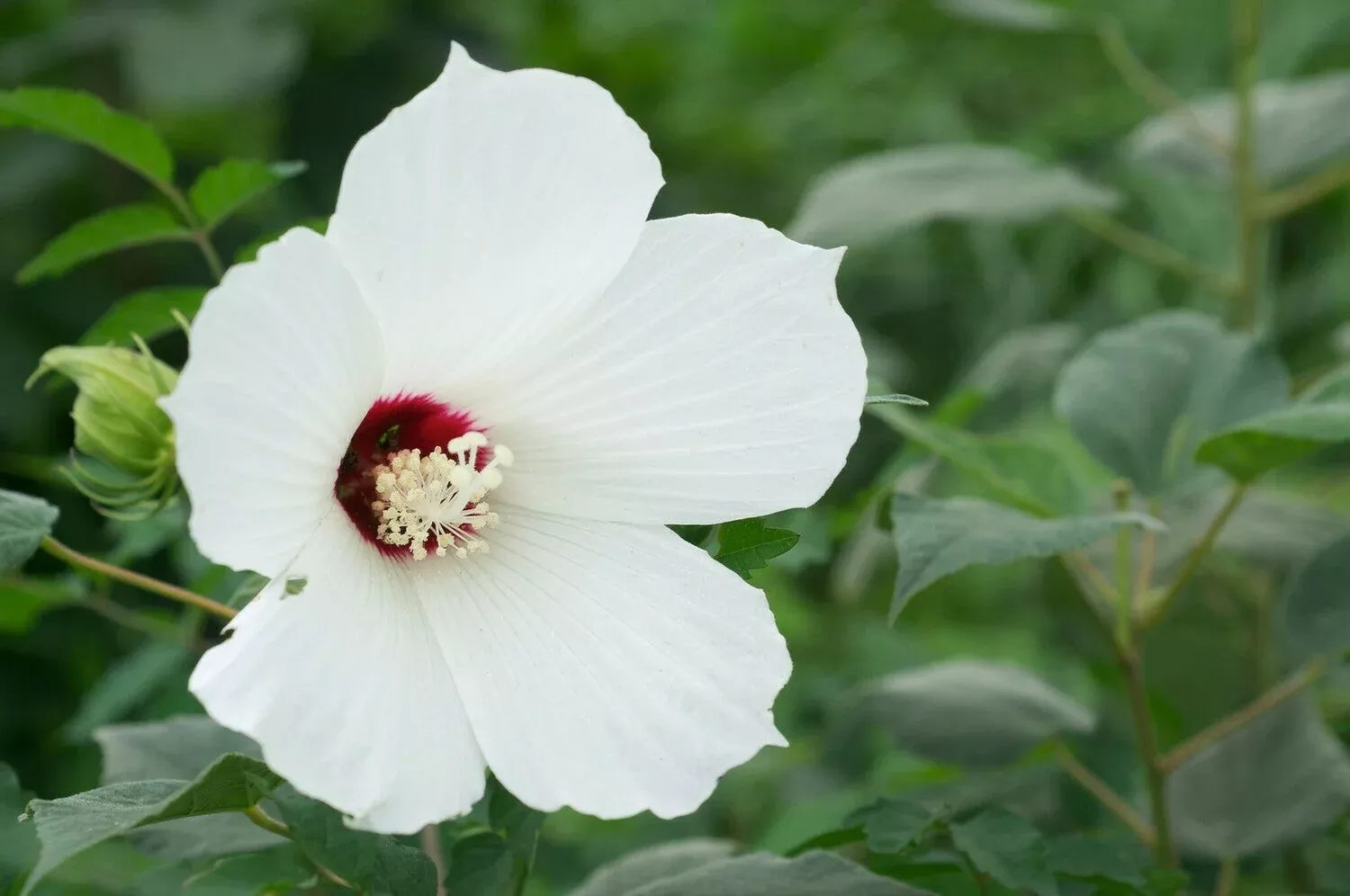
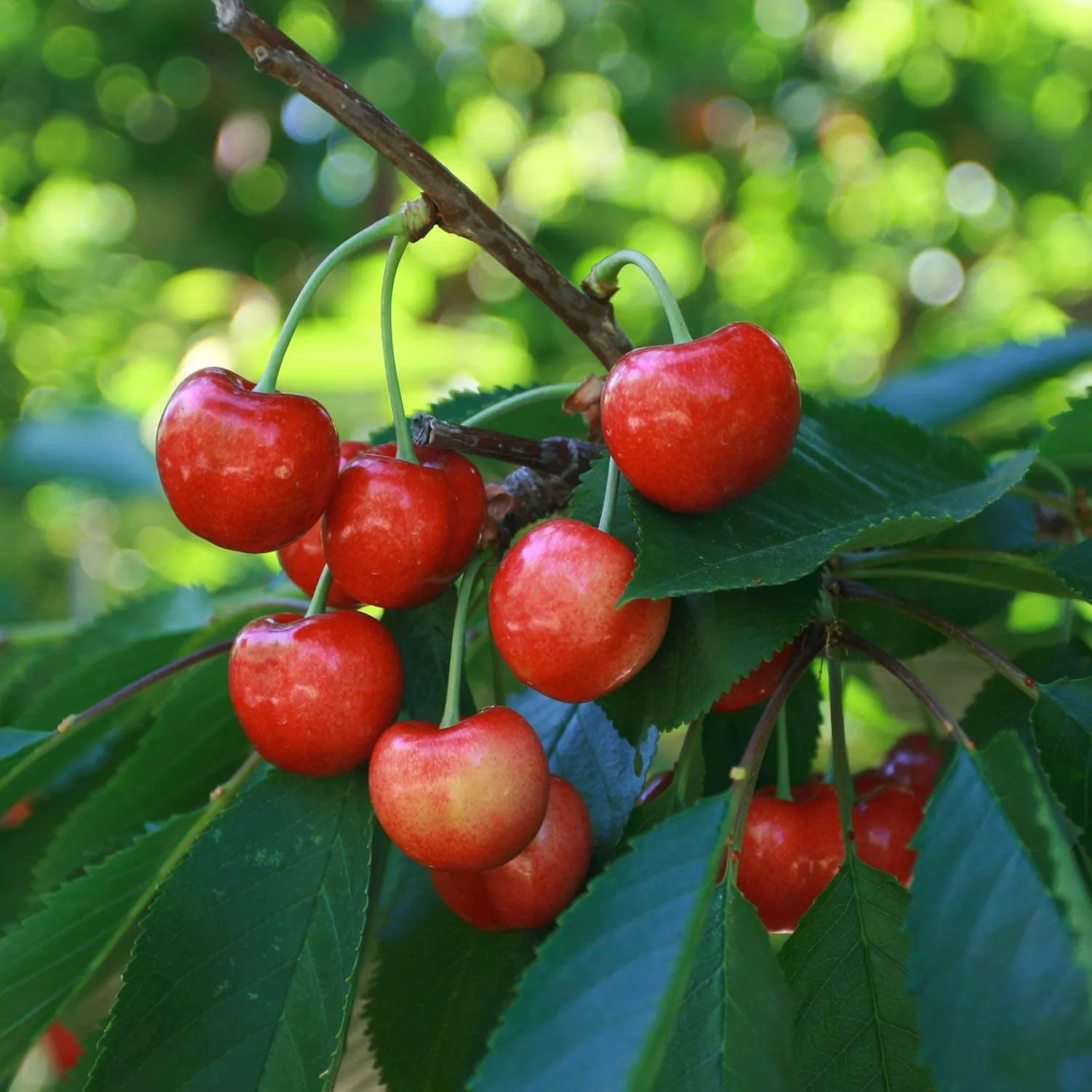
This bare root selection includes a mix of native hickory species such as Shagbark (Carya ovata), Shellbark (Carya laciniosa), Mockernut (Carya tomentosa), and Bitternut (Carya cordiformis), depending on availability. These long-lived, slow-growing hardwoods are important components of eastern North American forests, valued for their nut production, wildlife habitat, and strong, rot-resistant wood. Hickories are ideal for long-term agroforestry systems, native restoration, and food forests where resilience, biodiversity, and wildlife support are key.
Key Characteristics
Nut production for wildlife and silvopasture Hickories produce protein-rich nuts that support squirrels, foxes, turkeys, black bears, and many other species. Some, like Shagbark and Shellbark, also yield sweet edible nuts prized for traditional use. In silvopasture systems, they contribute valuable mast for wildlife and livestock.
Supports diverse insect life Hickories are larval host plants for key native moths, including Luna Moth, Regal Moth (Hickory Horned Devil), and Walnut Sphinx. These insects form an important food base for birds and play a vital role in woodland ecology.
Strong roots and valuable timber Deep taproots make hickories drought-resistant and wind-stable. Their wood is extremely tough and was historically used for handles, tools, and smoking meats. Though slow-growing, they are among the most valued native hardwoods.
Excellent for long-term planting systems Hickories belong in the overstory of food forests, silvopasture systems, and native reforestation efforts. They form multi-stemmed canopies over time and contribute to diverse, multi-layered plantings that support wildlife across generations.
Adaptable to site conditions These trees do best in full sun and medium-dry to medium soils. While slow to establish, they become remarkably hardy and long-lived, suited for open woodlands, hedgerows, and conservation plantings.
Product Details
Native Range: Eastern and Central North America
Plant Life Cycle: Deciduous tree
Sun Requirements: Full sun
Soil Requirements: Medium-dry to medium
Mature Height: 60–80 feet
Bloom Time: April–May
Bloom Color: Yellow-green (catkins)
USDA Hardiness Zones: 4–9
Mixed-species hickories bring long-term ecological value to any landscape. Their nuts, deep roots, and insect associations make them essential for rewilding, food forests, and durable agroforestry plantings.