Free Shipping on Orders Over $50

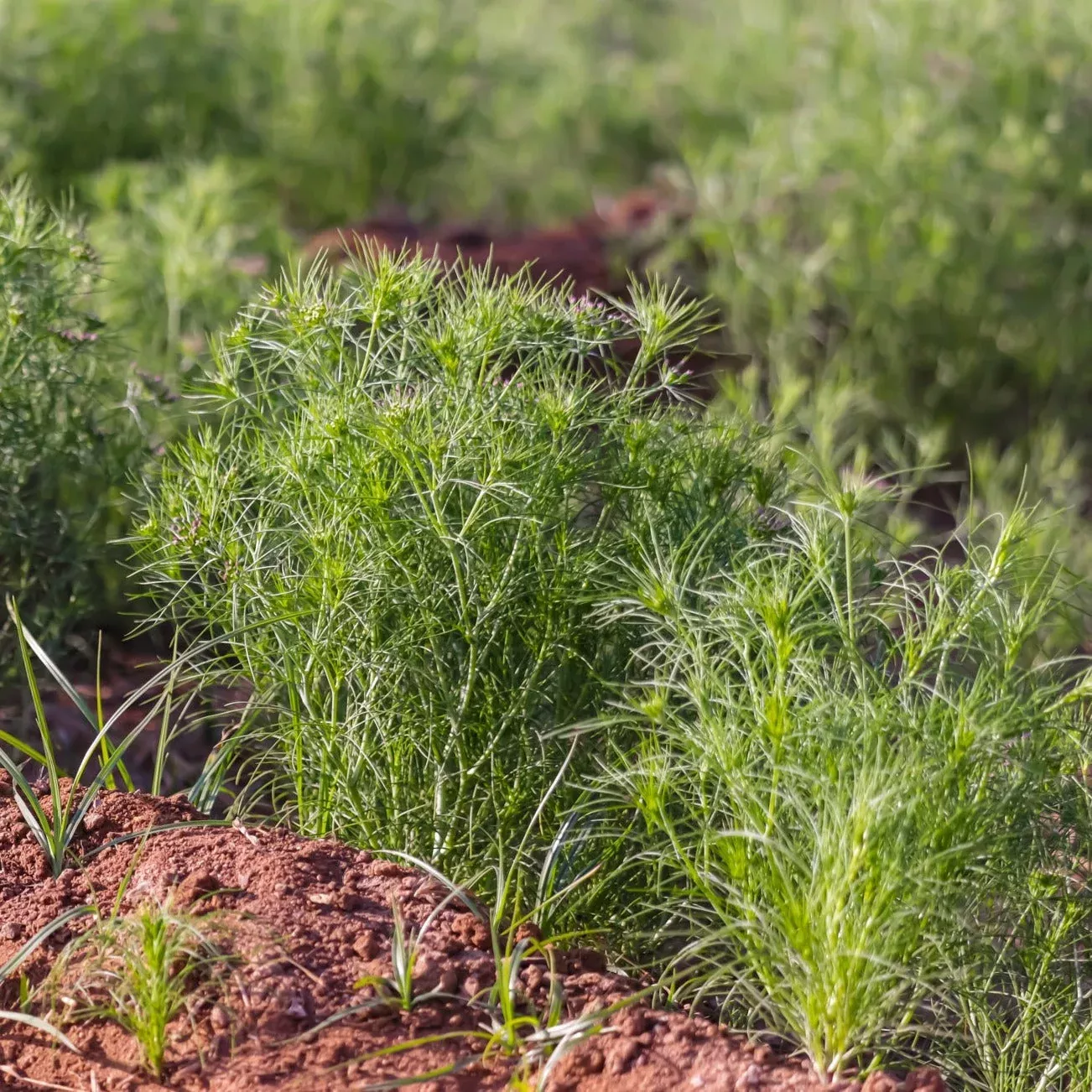
Cumin, Classic seeds
Original price was: $3.19.$2.34Current price is: $2.34.
58 in stock
Growing Cumin: A Flavorful Herb for Your Garden
Cumin is a versatile herb that brings warmth and depth to countless dishes around the world. Whether you’re an experienced gardener or just starting out, growing cumin at home is a rewarding way to ensure a fresh supply of this aromatic spice whenever you need it.
What Is Cumin?
Cumin is an annual herb native to the Mediterranean and South Asia. It produces delicate flowers and small seeds that are prized for their distinctive, earthy flavor. The seeds are what we typically use in cooking, though the leaves can also add a subtle flavor to dishes.
Ideal Growing Conditions
Cumin thrives in warm, sunny locations with well-draining soil. Plant your seeds directly in the garden after the last frost date, as cumin prefers warm soil temperatures. Space seeds about 6 inches apart and keep the soil consistently moist until seedlings emerge, which typically takes 7 to 10 days.
This herb loves sunlight—aim for at least 6 to 8 hours of direct sun daily. If you live in a cooler climate, consider starting seeds indoors 4 to 6 weeks before your last frost date, then transplanting seedlings outdoors once temperatures warm up.
Caring for Your Cumin Plants
Once established, cumin is relatively low-maintenance. Water regularly but avoid overwatering, as the plant prefers drier conditions between waterings. Cumin doesn’t require heavy fertilizing—a light application of balanced fertilizer mid-season is usually sufficient.
Watch for common pests like aphids and spider mites. A gentle spray of water or organic pest control methods can help keep your plants healthy.
Harvesting Your Cumin Seeds
Cumin plants typically flower about 3 to 4 months after planting. Once the flowers fade, seed pods develop and gradually turn brown. Harvest the entire plant when the seeds have turned brown and feel dry to the touch. Hang the plants upside down in a warm, dry location to finish drying, then thresh the seeds to separate them from the pods.
Storing and Using Your Harvest
Store dried cumin seeds in an airtight container in a cool, dark place. Freshly harvested seeds have a more vibrant flavor than store-bought varieties, making your homegrown cumin a delicious addition to curries, soups, roasted vegetables, and so much more.
In summary, Cumin is an aromatic herb with feathery foliage and small pinkish flowers. The seeds are used as a spice, both whole and powdered, and is second only to black pepper as the most popular spice across all continents. Its earthy, nutty, slightly bitter flavor is used extensively in traditional North African, Indian, and Mexican cuisines. Thrives in hot, dry conditions. The leaves and flowers are also edible, and can be used to add unique flavor to salads and pickling brines.
- Earthy, nutty, flavor
- Heat and drought tolerant
- Grows 8″-12″ tall
- Good for containers
As a companion plant, it attracts pollinators and beneficial insects.
As a medicinal herb, Cumin seed has been used internally to treat bloating, colic, cough, fever, flatulence, headache, indigestion, insomnia, pain, restlessness, stomach upset, and weight issues, and externally to treat skin problems and toothache.
SEED PLANTING TIPS
- Botanical name: Cuminum cyminum
- Life cycle: Herbaceous annual
- Hardiness zones: 5-10
- Planting season: Spring
- Days to maturity: 120-150 days; can begin harvesting when 6″ tall
- Depth to plant seeds: 1/4″ deep
- Days to germinate (sprout): 7-14 days
- Germination soil temps: 68F-86F
- Spacing between plants: 4″-6″ apart
- Spacing between rows: 18″-24″ apart
- of plants per sq. ft.: Appx. 9 plants per sq. ft.
- Soil types: Sandy, loamy, rich, dry, moist, well-drained
- Soil pH: 6.5-8.0
- Sun needs: Full sun
- Water needs: Low – do not overwater
- Cold stratify: No
- Frost tolerant: No
- Heat tolerant: Yes
- Drought tolerant: Yes
- Deer resistant: Yes
- Culinary use: Yes
- Medicinal use: Yes
Good Companion Plants: Beet, Broccoli, Cabbage, Cauliflower, Cilantro/Coriander, Collards, Cucumber, Kale, Marigold, Mustard, Pepper, Potato
⚠️ Medicinal properties are presented as information only, and are not a recommendation or prescription for use. Consult a medical professional before using any herb medicinally.