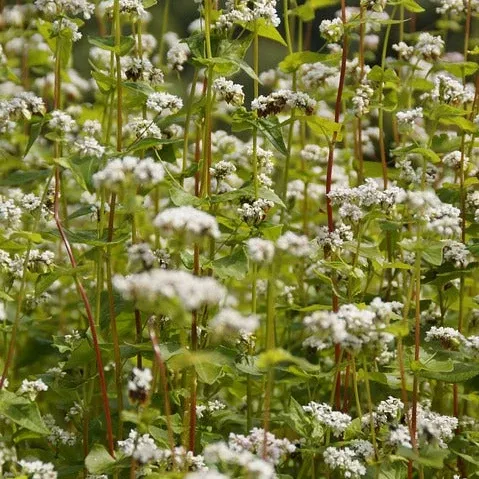
Buckwheat is one of the most versatile and effective cover crops available to gardeners and farmers. Whether you’re looking to improve soil health, suppress weeds, or attract pollinators, buckwheat delivers impressive results in a surprisingly short timeframe.
Fast Growth and Quick Turnaround
One of buckwheat’s greatest advantages is its speed. This crop matures in just 8 to 10 weeks, making it perfect for filling gaps in your planting schedule. You can plant it in early summer after spring crops are harvested, or use it in late summer to prepare beds for fall planting. Its rapid growth means you get soil-building benefits without waiting months.
Natural Weed Suppression
Buckwheat grows densely and shades the soil effectively, preventing weeds from establishing themselves. This natural weed control reduces the need for manual weeding or herbicides. When you till the buckwheat back into the soil, you’re also adding organic matter that continues to suppress weed seeds.
Improves Soil Structure and Fertility
As buckwheat decomposes, it enriches your soil with organic matter and nutrients. The plant’s extensive root system helps break up compacted soil, improving drainage and aeration. This is especially valuable if you’re working with heavy clay or depleted garden beds. The added organic matter also increases water retention, benefiting future plantings.
Attracts Beneficial Insects
Buckwheat flowers are a magnet for bees, butterflies, and other pollinators. These insects not only help pollinate your garden but also bring predatory insects that control pests naturally. A buckwheat cover crop essentially creates a mini ecosystem that supports the health of your entire garden.
Easy to Plant and Manage
Buckwheat requires minimal inputs. Simply scatter seeds directly onto prepared soil, rake lightly, and water. It thrives in poor soil conditions where other crops might struggle, and it doesn’t demand fertilizer or special care. When you’re ready to plant your next crop, you can till it in or let it break down on the surface as mulch.
Getting Started with Buckwheat
Plant buckwheat in spring through late summer, depending on your climate and garden schedule. Space plantings at least 8 weeks before your first fall frost. Use about 1 to 1.5 pounds of seed per 1,000 square feet. Water regularly until established, then let nature take over. When the flowers begin to fade, you can till the crop into the soil or cut it down and leave it as organic mulch.
Buckwheat cover cropping is a simple, effective way to build healthier soil and create a more vibrant garden ecosystem—all in just a couple of months.