Free Shipping on Orders Over $50

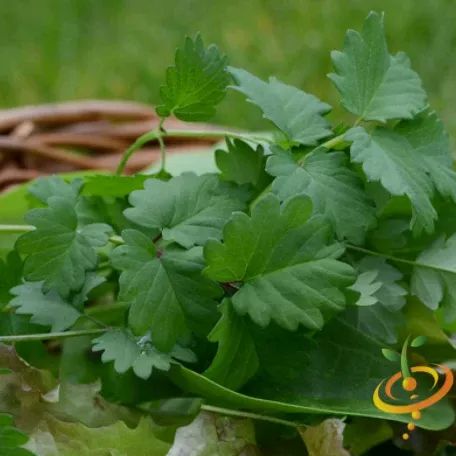
Chervil (French Parsley) seeds
Original price was: $3.19.$1.97Current price is: $1.97.
46 in stock
Chervil (French Parsley): The Delicate Herb of French Cuisine
Chervil, often called French parsley, is an elegant herb with delicate, finely divided foliage and a subtle anise-like flavor that elevates French cooking and refined cuisine. This sophisticated herb is less commonly grown than its parsley cousins, but gardeners who discover it often become devoted fans. It’s the secret ingredient that adds sophistication to soups, sauces, and fresh herb applications.
Subtle Flavor and Delicate Appearance
Chervil features finely cut, feathery leaves that are more delicate than parsley, creating an almost lacy appearance in the garden. The foliage is bright green and finely textured, making chervil plants attractive in herb gardens or containers. The flavor is distinctly different from parsley—subtle, slightly sweet, with gentle anise undertones that don’t overpower but rather enhance other ingredients.
This delicate flavor profile makes chervil essential in French cuisine, particularly in fine herb blends like fines herbes. It’s perfect for finishing soups, garnishing fish dishes, and adding to fresh salads where its subtle character won’t compete with other flavors. Chervil is best used fresh, as cooking diminishes its delicate taste.
Growing Chervil Successfully
Chervil prefers cool to moderate temperatures and partial shade, making it ideal for spring and fall growing. It struggles in hot summer conditions, so timing is important. Start seeds indoors four to six weeks before your last spring frost, or direct sow seeds outdoors in early spring or late summer for fall harvest.
Plant seedlings or thin direct-sown plants to 6 inches apart in well-draining soil rich in organic matter. Chervil prefers consistent moisture and benefits from afternoon shade in warmer climates. Water regularly and mulch around plants to keep soil cool and retain moisture. Chervil is relatively cold-hardy and often produces well into fall.
Harvesting and Culinary Uses
Begin harvesting outer leaves once plants are established, pinching them off at the base to encourage bushier growth. Chervil has a shorter harvest window than parsley, so plan for successive sowings every few weeks to ensure continuous supply. The delicate leaves are best used fresh, added at the end of cooking to preserve their subtle flavor.
Chervil works beautifully in egg dishes, light cream sauces, and fresh herb butters. It’s a key component of fines herbes, the classic French herb blend. Chervil can be frozen in ice cube trays with a little water or oil, though fresh use is preferred.
A Refined Addition to Your Garden
Chervil brings French sophistication to home gardens and kitchens. If you appreciate subtle flavors, enjoy French cooking, or want to expand your herb palette beyond common varieties, this delicate and refined herb is absolutely worth growing.
In Summary
Chervil, also called French Parsley and Garden Chervil, is an ancient aromatic annual in the parsley family, with similar fern-like leaves, tiny white flowers, and a sweet flavor that’s a delicate mix of parsley, anise, and pepper. Leaves, stems, seeds, and flowers are all edible. It prefers growing in part shade in moist soil with cool temps, so it’s good for indoor gardens or fall/winter gardens in mild climates. An important ingredient in fines herbes, along with chives, parsley, and tarragon, used extensively in French gourmet cooking. Loses its flavor when dried, so chop or chiffonade to add a freshness to salads, dressings, herb butter, sauces, seafood, peas, poultry, green beans, carrots, eggs, and herbal tea.
As a companion plant, it attracts pollinators and beneficial insects, and repels ants, aphids, slugs, and snails.
As a medicinal herb, Chervil has been used internally to treat arthritis, bronchitis, congestion, cough, gum disease, hiccups, low blood pressure, menstrual cramps, skin problems, and swelling, and externally to treat painful joints, tired eyes, and wounds.
⚠️ Medicinal properties are presented as information only, and are not a recommendation or prescription for use. Consult a medical professional before using any herb medicinally.
- Parsley-anise-pepper flavor
- All parts are edible
- Good for indoor gardens
- Good for containers
SEED PLANTING TIPS
- Botanical name: Anthriscus cerefolium
- Life cycle: Herbaceous annual
- Hardiness zones: 3-10
- Planting season: Spring, fall
- Days to maturity: 40-60 days; can begin harvesting when 6″ tall
- Depth to plant seeds: 1/4″ deep
- Days to germinate (sprout): 14-28 days
- Germination soil temps: 55F-65F
- Spacing between plants: 9″-12″ apart
- Spacing between rows: 18″-24″ apart
- of plants per sq. ft.: Appx. 1 plant per sq. ft.
- Soil types: Sandy, loamy, rich, moist, well-drained
- Soil pH: 6.0-7.5
- Sun needs: Full sun, part shade, full shade
- Water needs: Average
- Cold stratify: No
- Frost tolerant: Yes
- Heat tolerant: No
- Drought tolerant: No
- Deer resistant: Yes
- Culinary use: Yes
- Medicinal use: Yes
Good companion plants: Broccoli, Carrot, Cilantro/Coriander, Dill, Lettuce, Mint, Radish, Yarrow
More facts about Chervil:
- Pregnant women were bathed in an infusion of it; a lotion of it was used as a skin cleanser; and it was used medicinally as a blood purifier.
- It was also claimed to be useful as a digestive aid, for lowering high blood pressure, and, infused with vinegar, for curing hiccups
See Chervil Recipes & Growing Tips on our Pinterest Board
Follow SeedsNow.com’s board Chervil on Pinterest.