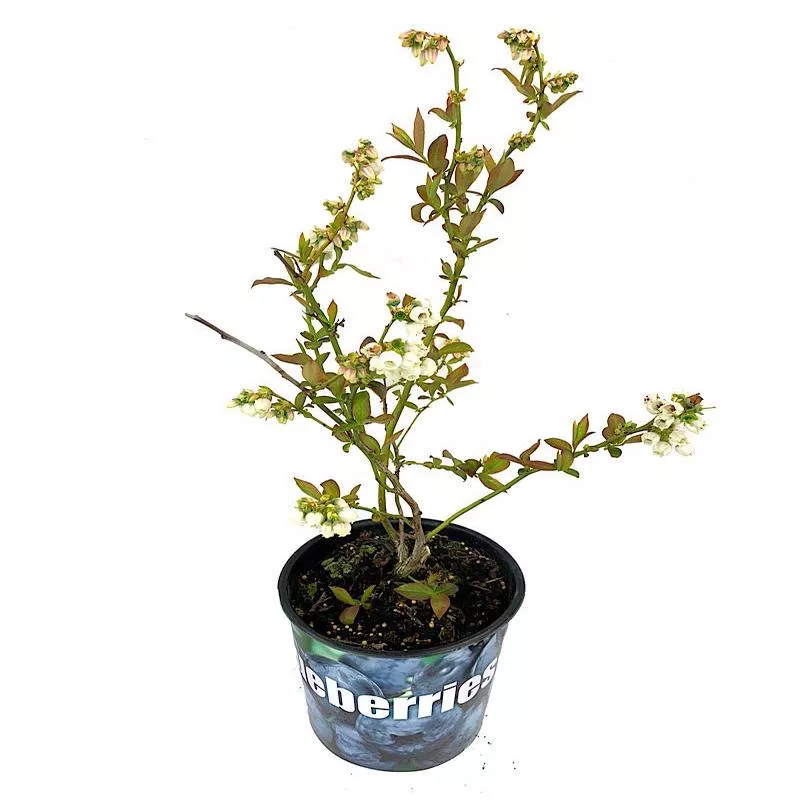
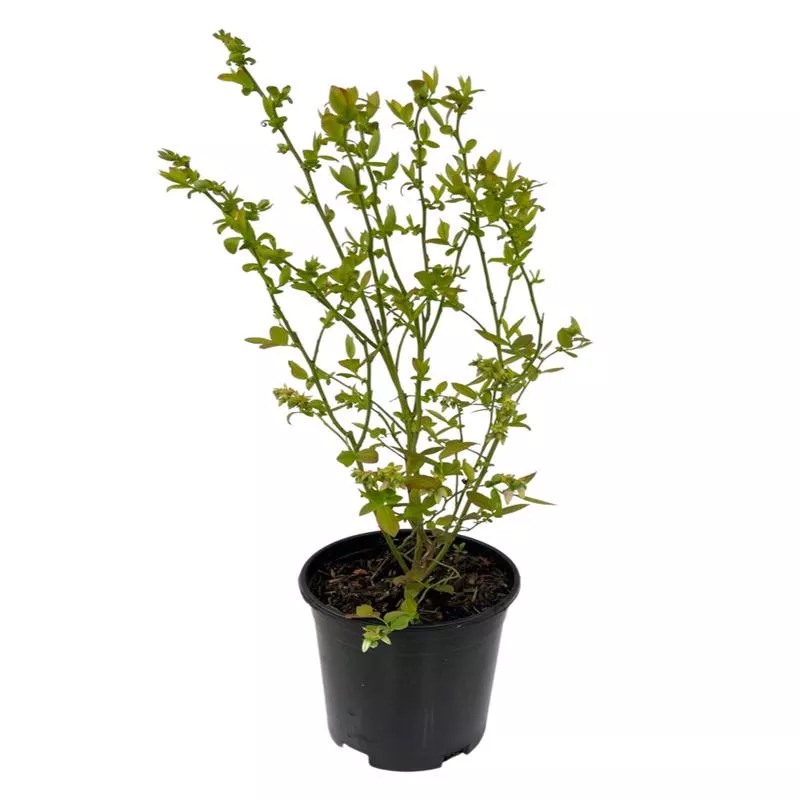
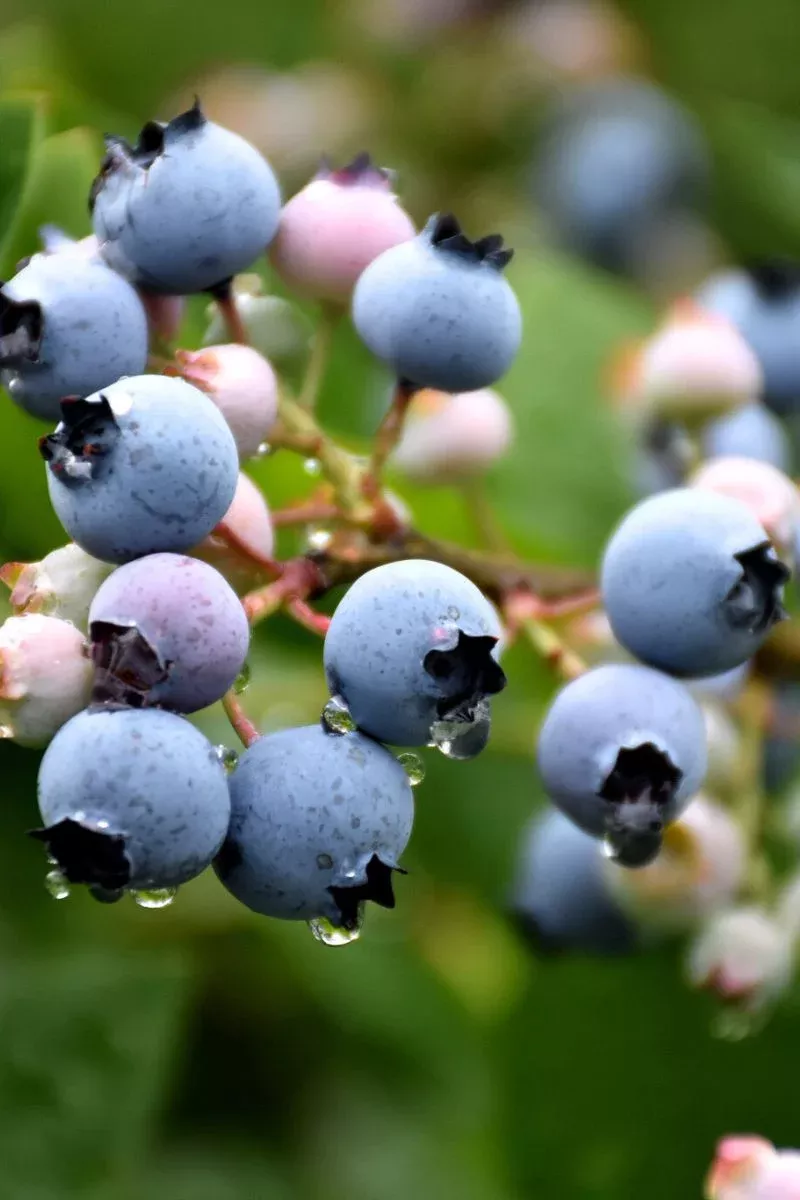
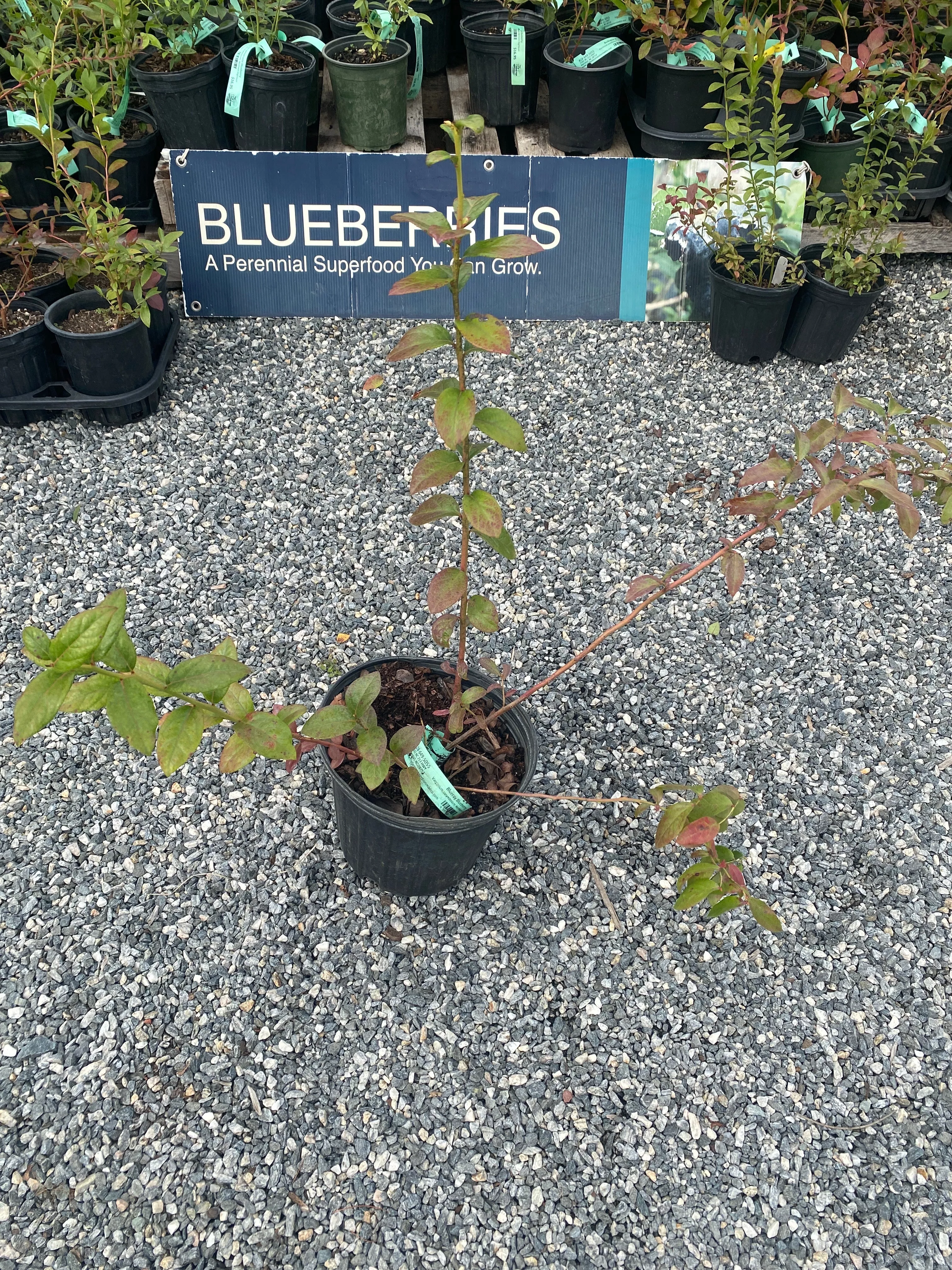
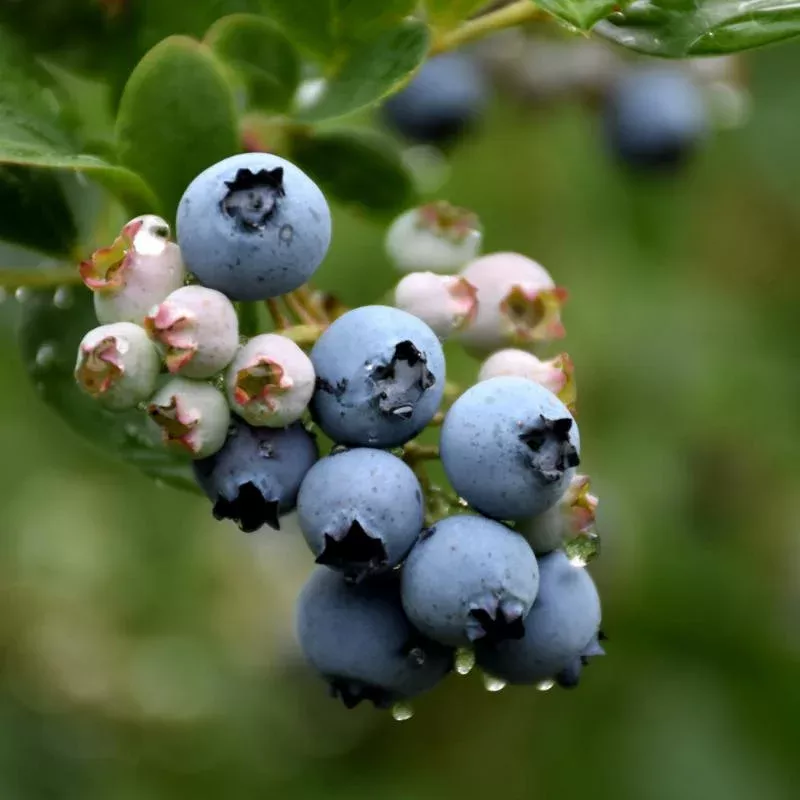
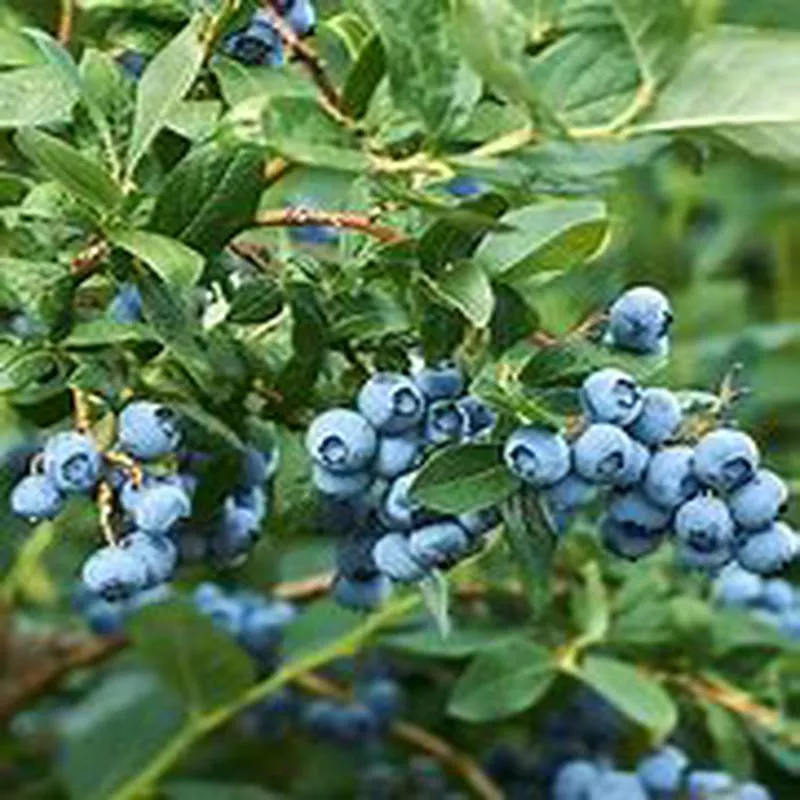
Elliott is one of the latest-ripening highbush blueberry varieties, extending the blueberry season well into late summer. Its small-to-medium berries are firm, mildly tart, and excellent for fresh eating, baking, or freezing. Elliott is particularly well-suited to cooler climates, thriving in areas with cold winters and moderate summer temperatures. It offers abundant crops and is known for its long storage life after harvest.
Key Characteristics:
Late-Season Harvest: Extends the blueberry season into late summer, ripening in August to early September.
Firm, Tart Berries: The berries are small to medium-sized, firm, and mildly tart, perfect for pies and jams.
Cold Hardy: Elliott is highly cold-tolerant, making it a great choice for northern climates.
Long Storage Life: Berries keep their firmness and flavor well after harvest, making them ideal for freezing and storing.
Product Details:
Mature Height: 4-6 feet
Fruit Time: Very Late season (August to September)
Fruit Qualities: Small-to-medium, firm, mildly tart berries
Chill Hours: 800-1000 hours
Pollination Partners: Best cross-pollinated with Bluecrop, Nelson, or Jersey.
USDA Hardiness Zones: 4-7
Blueberries are a valuable addition to fruit tree guilds in permaculture systems. Positioned in the shrub layer, they benefit from the shade and protection of larger trees while providing ground-level diversity. Their flowers attract pollinators, and their roots help with moisture retention, enhancing the overall health and productivity of the guild. Their nutrient-dense berries offer a reliable food source, complementing the fruit production of the larger trees.
Northern highbush blueberries are best suited for cooler climates, thriving in USDA zones 4-7. These plants require well-drained, acidic soil (pH 4.5-5.5) and full sun for optimal fruit production. Blueberries benefit from mulch to retain moisture, prevent weeds, and protect shallow roots. Consistent watering is essential, especially during fruiting. Blueberries are self-fertile but cross-pollination increases the overall yield, improves the size and quality of the berries, and leads to a more abundant harvest. Add organic compost or sulfur to the soil to maintain its acidity. Regular pruning encourages healthy growth and more abundant fruiting.